

 View Gallery
1 photo
View Gallery
1 photo
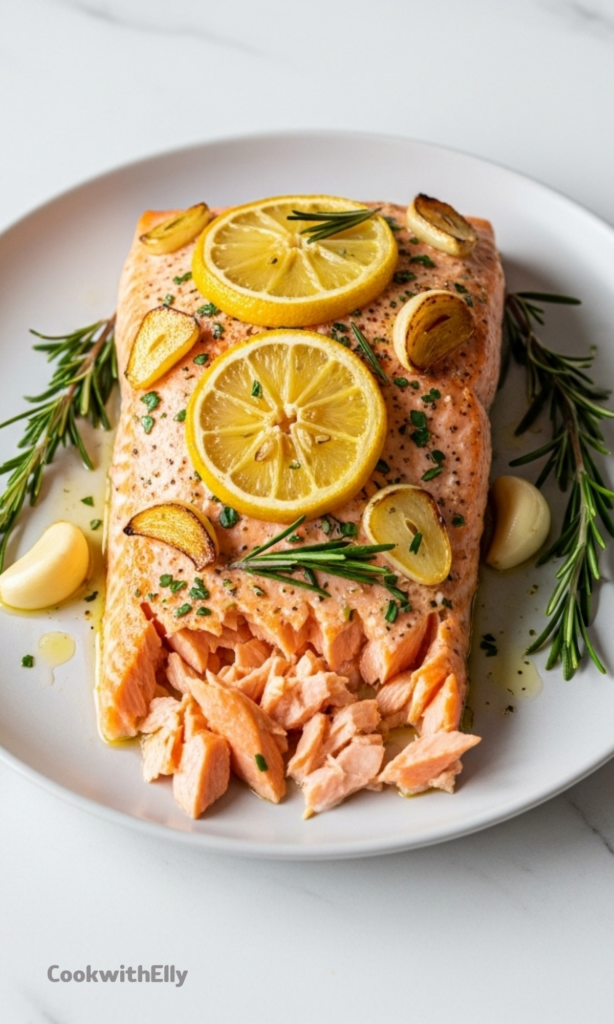
There’s something about a beautifully baked salmon that feels like a small celebration, even on a Tuesday. It’s the kind of meal that manages to be both effortlessly simple and deeply impressive, all at once.
This recipe is my go-to, the one I’ve made more times than I can count. It’s the reason I stopped being nervous about cooking fish and started looking forward to it. If you’ve ever felt a little intimidated by that lovely fillet at the store, trust me, you’re in the right place.
This method is your new best friend—it’s forgiving, incredibly flavorful, and honestly, just five minutes of hands-on work. You can absolutely pull this off, and you’re going to feel fantastic about it.
Ingredients Needed for the Recipe
Gathering your ingredients is the first step to a fantastic meal. Each one has a simple, specific job to make your salmon shine. Here’s what you’ll need:
- Side of Salmon (2 pounds): This is your star. A large, center-cut piece is perfect for serving a group. I highly recommend seeking out wild-caught salmon for its superior flavor and texture—it makes a noticeable difference.
- Fresh Rosemary Sprigs (5): These woody herbs perfume the fish with a subtle piney aroma. They’re sturdy enough to hold up to the heat without getting lost. If you have other fresh herbs on hand, feel free to get creative here.
- Small Lemons (2): One gets sliced thinly to lay under and over the fish, releasing its citrus oils as it bakes. The other is juiced, providing a bright, tangy drizzle that cuts through the richness.
- Extra Virgin Olive Oil (2 tablespoons): This coats the salmon, helping the seasoning stick and promoting a beautiful, moist texture. It also carries the flavors beautifully.
- Kosher Salt & Black Pepper (1 tsp & ¼ tsp): The fundamental seasoning duo. They enhance the salmon’s natural taste without overpowering it. Kosher salt adheres well and seasons evenly.
- Garlic Cloves (4, peeled and chopped): As the salmon bakes, the garlic mellows and sweetens, creating little bursts of savory flavor in every other bite.
- Additional Fresh Herbs (optional, for garnish): A sprinkle of chopped dill, parsley, or chives right at the end adds a pop of fresh color and a final layer of aroma.
Choosing Your Salmon: A Quick Guide
Walking up to the seafood counter can be the most confusing part, so let’s simplify it. When possible, choose wild-caught salmon. Varieties like coho, sockeye, or king are fantastic.
Sockeye has a robust, rich flavor and a leaner texture, while king is famously buttery and thick. Coho is my everyday favorite—it’s beautifully balanced in flavor and price.
Try to avoid farm-raised Atlantic salmon if you can; it often contains more fat and moisture, which can lead to a softer, less defined texture when cooked.
And don’t overlook frozen wild-caught salmon! It’s a superb, often more affordable option—just be sure to thaw it slowly in your refrigerator overnight.
How to make Baked Salmon?
Ready to cook? This process is straightforward, gentle, and designed for success. Just follow these steps, and you’ll have a gorgeous centerpiece for your table.
Step 1 – Prep the Stage
Take your salmon out of the fridge and let it rest on the counter for about 10 minutes. This helps it cook more evenly. Meanwhile, preheat your oven to 375°F.
Tear off a large piece of aluminum foil, big enough to eventually wrap the whole fish, and line a rimmed baking sheet with it.
A quick spritz of cooking spray on the foil prevents any potential sticking, though with the oil we’ll add, it’s mostly a safety net.
Step 2 – Build a Flavor Bed
Lay a couple of the rosemary sprigs right down the center of your foil. Thinly slice one of the lemons and arrange half of those slices over the rosemary.
Now, place your salmon fillet right on top of this lemony, herby nest. You’re already building layers of flavor that will steam right into the fish.
Step 3 – Season and Accessorize
Drizzle the olive oil all over the top of the salmon. Sprinkle on the kosher salt and black pepper, then use your hands to gently rub it all over the surface.
Scatter the chopped garlic cloves across the fish. Now, finish the decoration: lay the remaining lemon slices and rosemary sprigs on top.
Finally, juice your second lemon and pour that fresh juice evenly over everything.
Step 4 – Create the Packet
This is where the magic happens. Carefully bring the long sides of the foil up and over the salmon, folding them together at the top. Fold or crimp the ends closed to seal the packet completely.
The goal is to create a snug tent—you want a little room for air and steam to circulate inside, but you don’t want any gaps where steam can escape.
If your foil sheet isn’t quite big enough, just place a second sheet over the top and seal the edges.
Step 5 – Bake to Perfection
Slide the packet onto the middle rack of your preheated oven. Bake for 15 to 20 minutes. The exact time depends entirely on the thickness of your salmon.
A thinner, one-inch fillet might be ready closer to 15 minutes, while a thicker piece could need the full 20 or a minute or two more.
You’re aiming for the salmon to be *almost* cooked through at the thickest part.
Step 6 – Broil for Finish
Carefully remove the baking sheet and open the foil packet wide, watch out for the hot steam! Switch your oven to the broil setting. Return the salmon, now exposed, to the oven.
Broil for just about 3 minutes, until the garlic and the very top of the fish get a touch of golden color.
This quick blast gives you a beautiful finish without overcooking the interior. Keep a close eye on it, broilers can be fierce.
Step 7 – Rest and Serve
Take the salmon out. If it looks a touch underdone in the very center, simply re-cover it with the foil and let it rest for 5 minutes—it will carry over to perfect doneness.
To serve, use a sharp knife or spatula to cut it into individual portions. A final sprinkle of chopped fresh herbs or an extra wedge of lemon on the side is all it needs.
Tips
- The Number One Rule: Do not overcook the fish. The foil packet gives you a safety cushion, but it’s better to check early. Salmon continues to cook as it rests.
- Checking for Doneness: The most reliable method is an instant-read thermometer. Insert it into the thickest part; I pull my salmon at 137-140°F. After resting, it will reach the safe temperature of 145°F and be perfectly moist.
- Skin On or Off? You can bake it either way. Leaving the skin on adds an extra layer of protection against drying out. After cooking, the skin separates easily and can be left on the plate.
Your Salmon, Your Way: Flavor Variations
The lemon-rosemary version is a classic for a reason, but this method is a blank canvas. Once you’re comfortable, you can play. Swap the rosemary for fresh dill or tarragon. Brush the fish with melted butter instead of olive oil, or do a half-and-half mix.
For a bold twist, smear the top with a few tablespoons of pesto before sealing the packet. A soy sauce, honey, and ginger mixture makes a fantastic teriyaki-style glaze.
The foil packet method works beautifully with all of them, capturing and concentrating every drop of flavor.
What to Serve with Baked Salmon
This salmon is a wonderfully versatile main, pairing happily with almost anything. For a truly easy meal, roast vegetables right alongside it on another rack—asparagus, broccoli, or halved Brussels sprouts are perfect.
A side of buttery mashed potatoes or crispy roasted baby potatoes feels wonderfully comforting. For something lighter, a vibrant grain salad with quinoa or farro, or a simple green salad with a lemony vinaigrette, complements the fish beautifully.
And don’t forget a crusty loaf of bread to soak up any delicious juices left in the foil.
Making the Most of Leftovers
Yes, you can absolutely enjoy this salmon the next day! The texture is best when freshly cooked, but the flavor remains wonderful. Store any leftovers in a sealed container in the refrigerator for 1 to 2 days.
My favorite ways to use it are flaked cold over a big, leafy salad or gently folded at the last minute into a creamy pasta. You can also scramble it into eggs for a luxurious breakfast.
If you must reheat, be gentle: warm individual portions in a skillet with a splash of water, covered, over low heat just until warmed through. The goal is to steam it back to life without further cooking.
Baked Salmon Recipe
Description
Why hello there, may I impress you with my fancy-looking Baked Salmon? Whether you need a fast, healthy dinner, a meal to wow the crowd, or a simple protein that you can enjoy tonight and eat leftover the next day, this is THE baked salmon recipe for you!
This easy baked salmon takes less time to prep (five minutes) than I spent sleepily scrolling through Instagram this morning while brushing my teeth. It’s only five ingredients, and nothing about baking it is fancy—yet it tastes incredible, looks elegant, and feels special. Perfectly flakey, moist, and tender every time thanks to the foolproof foil packet method.
Ingredients
Instructions
-
Remove the salmon from the refrigerator and let stand at room temperature for 10 minutes while you prepare the other ingredients. Heat oven to 375°F. Line a large baking dish or rimmed baking sheet with a large piece of aluminum foil.
-
Lightly coat the foil with baking spray, then arrange 2 sprigs of the rosemary down the middle. Cut one of the lemons into thin slices and arrange half the slices down the middle with the rosemary. Place the salmon on top.
-
Drizzle the salmon with the olive oil and sprinkle with the salt and pepper. Rub to coat, then scatter the garlic cloves over the top. Lay the remaining rosemary and lemon slices on top of the salmon. Juice the second lemon, then pour the juice over the top.
-
Fold the sides of the aluminum foil up and over the top of the salmon until it is completely enclosed. If your piece of foil is not large enough, place a second piece on top and fold the edges under so that it forms a sealed packet. Leave a little room inside the foil for air to circulate.
-
Bake the salmon for 15–20 minutes, until the salmon is almost completely cooked through at the thickest part. The cooking time will vary based on the thickness of your salmon.
-
Remove the salmon from the oven and carefully open the foil so that the top of the fish is completely uncovered (be careful of hot steam). Change the oven setting to broil, then return the fish to the oven and broil for 3 minutes, until the top of the salmon and the garlic are slightly golden and the fish is cooked through. Watch the salmon closely as it broils to make sure it doesn’t overcook and the garlic does not burn.
-
To serve, cut the salmon into portions. Sprinkle with additional fresh herbs or top with an extra squeeze of lemon as desired.
Nutrition Facts
Servings 6
Serving Size 1 portion
- Amount Per Serving
- Calories 380kcal
- % Daily Value *
- Total Fat 23g36%
- Saturated Fat 4g20%
- Cholesterol 95mg32%
- Sodium 450mg19%
- Potassium 720mg21%
- Total Carbohydrate 3g1%
- Dietary Fiber 1g4%
- Sugars 1g
- Protein 39g78%
- Calcium 20 mg
- Iron 1 mg
* Percent Daily Values are based on a 2,000 calorie diet. Your daily value may be higher or lower depending on your calorie needs.
Note
- Best enjoyed fresh: This recipe is best enjoyed the day it’s made, as salmon can dry out when reheated.
- Leftover ideas: Try leftover baked salmon over a salad, mixed into pasta, or flaked into scrambled eggs.
- Foil alternative: Use parchment paper instead of foil for a more eco-friendly option—just line the foil with parchment and follow the same steps.
- Don’t overcook: Salmon continues to cook while resting. Remove it from heat just before it’s fully done to avoid dryness.
Frequently Asked Questions
Can I bake salmon without foil?
Yes! You can bake salmon directly on a parchment-lined baking sheet. However, using foil or parchment packets helps lock in moisture and flavor, making it more foolproof—especially for beginners.
How do I know when baked salmon is done?
The salmon is done when it flakes easily with a fork and reaches an internal temperature of 145°F. For best results, remove it from the oven at 137–140°F and let it rest—it will continue cooking to 145°F.