

 View Gallery
1 photo
View Gallery
1 photo
Let’s be honest, sautéed cabbage doesn’t exactly sound like the star of the dinner table.
It’s the humble, often overlooked vegetable, sitting quietly in the produce aisle, waiting for its moment.
A Personal Kitchen Revelation
My own history with cabbage was, well, unremarkable.
I saw it as a crunchy filler for slaw or a necessary base for other, more exciting ingredients.
Ingredients Needed for the Recipe
This recipe is a lesson in simplicity, where every component has a very specific job to do.
- 1 Small Head Green Cabbage (about 2 ½ pounds): The hearty main event, it wilts and sweetens beautifully under heat.
- 1 Tablespoon Extra Virgin Olive Oil: Our trusty cooking fat that handles the high heat without smoking.
- 1 Tablespoon Unsalted Butter: Adds a layer of rich, nutty flavor that olive oil alone can’t provide.
- 1 ½ Teaspoons Kosher Salt: Crucial for enhancing the cabbage’s natural sweetness and seasoning it throughout.
- ½ Teaspoon Freshly Ground Black Pepper: Provides a gentle, warming spice that complements the other flavors.
- ½ Tablespoon Apple Cider Vinegar: The secret weapon, a bright splash that wakes up the entire dish.
- 1 Tablespoon Chopped Fresh Thyme (optional): A fragrant herbal note, perfect for a little extra flair.
Choosing Your Cabbage
Not all cabbages are created equal, and picking a good one makes a difference.
Look for a head that feels heavy for its size, with crisp, tightly packed leaves and a vibrant color.
How to make Sauteed Cabbage?
The process is straightforward, but a few key moves guarantee exceptional results.
Step 1- PREP THE CABBAGE
Cut your cabbage in half straight through the core and place each half cut-side down.
Using a sharp knife, slice it into thin ribbons, working around the tough core, which you can then discard.
Step 2- HEAT AND COOK
Place your large pan over medium-high heat and add the olive oil and butter.
Once the butter melts and foams, add all the cabbage, salt, and pepper—it will seem like a mountain, but it shrinks fast.
Step 3- THE SAUTÉ SECRET
Now, here’s the important part: stir it occasionally, but don’t fuss over it.
Let it sit undisturbed for minutes at a time to develop those delicious, flavorful brown bits we all crave.
Step 4- FINISHING TOUCHES
After 10 to 15 minutes, when the cabbage is tender and speckled with gold, pull the pan from the heat.
Immediately stir in the apple cider vinegar, which will sizzle and create an amazing aroma.
Why This Method Works
The high heat and patient cooking are what transform the cabbage’s texture and taste.
It’s the difference between steamed, watery strands and caramelized, savory ribbons with complex flavor.
Tips
- Don’t crowd the pan. If your skillet is too small, cook the cabbage in two batches for the best browning.
- Trust the process. The cabbage will wilt down significantly within the first five minutes of cooking.
- Taste and adjust at the end. You might want an extra pinch of salt or a few more drops of vinegar.
Flavor Variations to Explore
Once you master the basic recipe, the door to experimentation swings wide open.
Try adding a pinch of red pepper flakes with the salt, or finish with a sprinkle of caraway seeds.
What to Serve With Your Cabbage
This dish’s mild sweetness and touch of acidity make it a phenomenally versatile partner.
It cuts through the richness of grilled sausages and is perfect alongside a simple roasted chicken.
Storing and Enjoying Later
Leftovers keep beautifully, often developing an even deeper flavor.
Store them in a sealed container in the fridge for up to a week, and reheat gently in a pan or microwave.
Sauteed Cabbage Recipe
Description
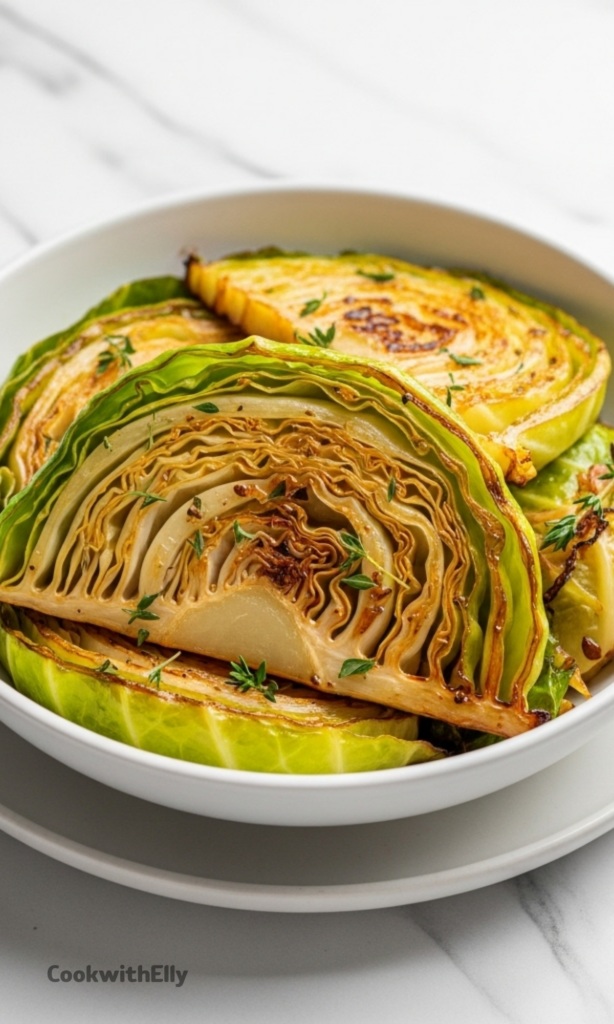
This 20-minute sautéed cabbage recipe is a revelation—tender, caramelized, and full of rich, tangy flavor thanks to a splash of apple cider vinegar. It’s an easy, healthy, low-carb side dish that pairs beautifully with everything from pork chops to chicken and beyond. Don’t let cabbage’s humble reputation fool you: this version will have you coming back for seconds!
ingredients
Instructions
-
Cut the cabbage in half from top to core. Place cut-side down on a cutting board and thinly slice around the core to create fine ribbons. Discard the core.
-
Heat a large sauté pan or heavy-bottomed pot over medium-high heat. Add olive oil and butter. Once the butter melts, add the cabbage, salt, and pepper.
-
Sauté for 10 to 15 minutes, stirring occasionally, until the cabbage is tender and golden brown. Let it sit undisturbed for a minute or two between stirs to develop those delicious caramelized bits.
-
Remove from heat and stir in the apple cider vinegar. Taste and adjust with more salt, pepper, or vinegar as desired. Sprinkle with fresh thyme if using, then serve warm.
Nutrition Facts
Servings 6
Serving Size 1 serving
- Amount Per Serving
- Calories 77kcal
- % Daily Value *
- Total Fat 4g7%
- Saturated Fat 2g10%
- Cholesterol 5mg2%
- Sodium 590mg25%
- Potassium 348mg10%
- Total Carbohydrate 10g4%
- Dietary Fiber 4g16%
- Sugars 5g
- Protein 2g4%
- Calcium 52 mg
- Iron 1 mg
* Percent Daily Values are based on a 2,000 calorie diet. Your daily value may be higher or lower depending on your calorie needs.
Note
- Storage: Keep leftovers in an airtight container in the refrigerator for up to 1 week.
- Reheating: Warm gently in the microwave or on the stovetop. Add a splash of vinegar and a pinch of salt to refresh flavor.
- Freezing: Can be frozen in a freezer-safe container. Texture may soften slightly upon thawing, but flavor remains excellent.
- Variations: Add sliced onions or crispy bacon for extra depth. Try red cabbage for a colorful twist!
Frequently Asked Questions
Can I make this recipe dairy-free?
Yes! Simply replace the butter with an equal amount of olive oil or another high-heat oil like avocado oil.
What dishes pair well with sautéed cabbage?
It’s incredibly versatile! Try it with Crock Pot BBQ Pork Chops, Lemon Butter Chicken, grilled sausages, or even hearty sandwiches. It also works beautifully in grain bowls or as part of a meatless meal with roasted cauliflower or lentils.