


 View Gallery
1 photo
View Gallery
1 photo
I think risotto is one of those magical dishes that manages to feel both fancy and deeply comforting all at once. The creamy texture, the rich flavor, it’s something I always love to eat. But I’ll be honest—my parents never made it much when I was growing up.
They said it required a patience they just didn’t have on a busy weeknight. It’s true, making a proper mushroom risotto asks for about twenty-five minutes of your focused attention, standing by the stove. You’ll be stirring and adding warm stock little by little.
It’s a gentle, almost rhythmic process. But here’s my secret: I don’t actually mind it at all. I find the act of stirring to be surprisingly peaceful. You can even prep a simple salad or set the table while you keep one eye on the pot.
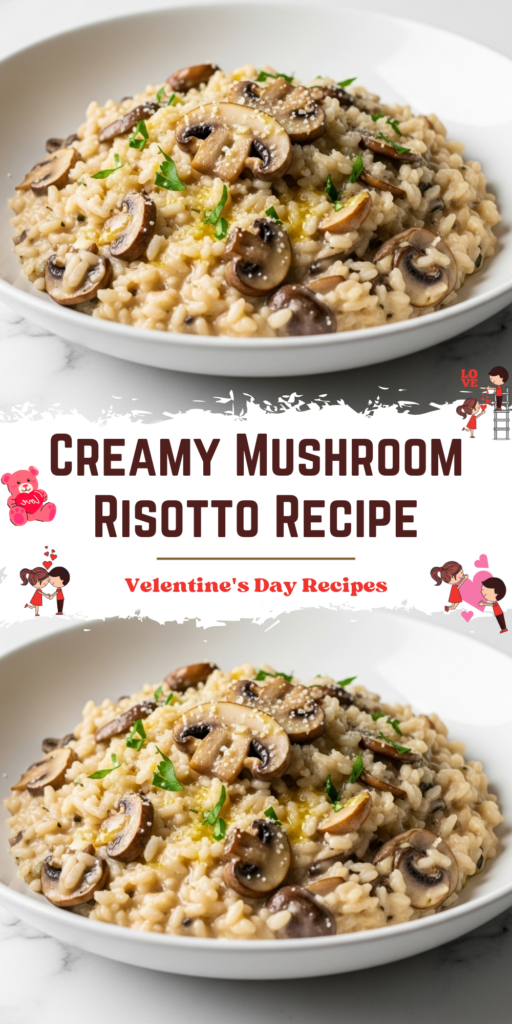
The result is so profoundly worth that bit of effort. When you finally stir in that last bit of Parmesan and taste it, you’ll understand. This isn’t just rice with mushrooms; it’s a creamy, savory, luxurious meal that feels like a warm hug.
And the best part? While the classic method is wonderful, there are clever ways to make it work for any schedule. Whether you’re going traditional or using a modern shortcut, the path to a fantastic mushroom risotto is clearer than you might think. Let’s gather our ingredients and get started.
Ingredients Needed for the Recipe
Using the right ingredients is key to building the deep, layered flavors that make this dish special. Here’s what you’ll need to have ready before you begin cooking.
- Arborio Rice: This is the heart of the dish. Its high starch content is what creates the risotto’s signature creamy texture as you stir. Carnaroli or Vialone Nano are great substitutes if you have them.
- Mushrooms: I like using a mix, like cremini for earthiness and shiitake for a meatier chew. You can use all one kind, though—just pick your favorite.
- Shallot: A shallot gives a sweeter, more delicate onion flavor than a regular yellow onion. If needed, a small onion works in a pinch.
- Butter & Olive Oil: I often use a combination. The butter adds rich flavor for sautéing, and a splash of oil helps prevent it from burning.
- Brandy or Dry Vermouth: This deglazes the pan and adds a wonderful depth of flavor that you just can’t get from stock alone. Don’t worry, the alcohol cooks off.
- Vegetable or Chicken Stock: You’ll need quite a bit, at least five cups. Using a good-quality, flavorful stock is non-negotiable—it’s the broth that the rice cooks in and absorbs.
- Parmesan Cheese: Freshly grated Parmesan stirred in at the end adds saltiness and helps thicken the sauce. The pre-grated stuff won’t melt as smoothly.
- Fresh Thyme: Just a little bit of this herb complements the mushrooms perfectly. Dried thyme works, but use half the amount.
- Salt & Black Pepper: For seasoning at the very end, after you’ve added the salty cheese.
- Fresh Parsley or Chives: A sprinkle of these fresh herbs as garnish adds a bright, final touch of color and freshness.
Mastering the Basic Method
Before we dive into the step-by-step, let’s talk about the core principle. Risotto’s creaminess comes from the starch released from the rice grains during constant, gentle stirring. You’re not just cooking rice; you’re encouraging it to create its own luxurious sauce.
The process is all about gradual addition. You add hot stock, about half a cup at a time, waiting for the rice to mostly absorb it before adding more. This slow coaxing is what gives you that perfect al dente texture—creamy but with a slight bite in the center.
It’s easier than it sounds, I promise. Just get your stock simmering, have your ingredients prepped, and give yourself over to the process for a little while. The payoff is a restaurant-quality dish made in your own kitchen.
How to make Mushroom Risotto?
This is where the magic happens. Follow these steps, and you’ll have a beautiful, creamy risotto. Just remember, risotto waits for no one—it’s best served immediately right from the pot.
Step 1 – Simmer Your Stock
Start by pouring your stock into a medium saucepan. Place it over medium heat and bring it to a steady, gentle simmer. You want it hot when it hits the rice.
This is a crucial step because adding cold stock will shock the rice and stop the cooking process unevenly. Keep this pot on a low simmer on a back burner the entire time you’re cooking the risotto.
Step 2 – Sauté the Mushrooms and Shallots
In a wide, heavy-bottomed pot or Dutch oven, melt your butter over medium-high heat. Add the mushrooms and chopped shallots with a pinch of salt.
Sauté them, stirring occasionally, for about five minutes. You want the mushrooms to release their water and start to turn a beautiful golden brown. That browning equals big flavor.
Step 3 – Toast the Rice and Add Brandy
Now, add the arborio rice to the pot with the mushrooms. Stir it around for just a minute or two, letting the grains get coated in the butter and become lightly translucent at the edges.
Next, pour in your brandy or vermouth. It will sizzle and steam—that’s good. Let it bubble and cook, stirring, until the liquid is mostly reduced. This cooks off the alcohol and leaves its wonderful flavor behind.
Step 4 – Begin Adding the Stock
Using a ladle, add your first half-cup of hot stock to the rice. Stir it in. This is where your watch begins. Stir the rice almost constantly.
This stirring motion is what rubs the starch off the rice grains and into the liquid, creating the creaminess. You’ll see the stock get absorbed and the mixture start to look thicker.
Step 5 – Continue the Process
Once the first addition of stock is nearly absorbed, add another half cup. Repeat this process: add, stir, wait, repeat. Don’t rush it.
The rice will slowly plump up and become tender. This whole process, from the first ladle to the last, should take about 25 minutes. Taste a grain—it should be creamy but still have a slight resistance at the core.
Step 6 – Finish with Cheese and Herbs
When the rice is just cooked and the risotto looks creamy, remove the pot from the heat. Immediately stir in the freshly grated Parmesan cheese and the fresh thyme.
The heat from the rice will melt the cheese beautifully into the sauce. Now taste it, and season with salt and pepper as needed. Serve right away in warm bowls, garnished with a sprinkle of fresh parsley.
Modern Shortcuts and Substitutions
Life gets busy, and sometimes you crave risotto without the full stand-and-stir commitment. That’s perfectly okay. You can make an excellent version in an Instant Pot or electric pressure cooker with dramatically less stirring.
The method is different—you add most of the stock at once and let the appliance do the work under pressure. The result is still wonderfully creamy and delicious, a fantastic weeknight cheat. It’s a game-changer for risotto lovers short on time.
If you prefer not to cook with alcohol, you have options. Simply omit the brandy and use an extra half-cup of stock in its place. To make up for that missing bright flavor, add a small splash of white wine vinegar or a squeeze of fresh lemon juice at the very end with the Parmesan.
Tips
A few simple insights can take your risotto from good to truly great. Keep these in mind the next time you cook.
- Heat more stock than you think you’ll need. I recommend starting with seven cups. The rice’s absorption rate can vary, and it’s better to have extra than to run out. You can use leftover warm stock to loosen the risotto just before serving.
- Use a wide pot. This gives the rice more surface area to cook evenly, which is much better than using a tall, narrow pot where the rice will steam and stew at the bottom.
- Prep everything before you start. Once you begin adding stock, you won’t have time to chop or grate. Have your stock simmering, mushrooms sliced, shallot diced, and cheese grated.
- Don’t overcook the rice. You’re aiming for al dente, which means it should be tender but still have a tiny bit of chew in the very center. It will continue to soften a bit off the heat.
- Serve it immediately. Risotto is at its peak creamy perfection the moment it’s done. It will continue to thicken and the rice will soften as it sits, so get it to the table fast.
Making It Ahead and Loving Leftovers
You can actually get a head start on risotto if you’re planning for company. About eighty percent of the way through cooking, stop adding stock. The rice should be creamy but the grains will still be quite firm in the center.
Spread the risotto out on a baking sheet to cool it quickly, then store it. When you’re ready to eat, just return it to the pot with a little more warm stock and finish cooking it. It’s a brilliant trick for stress-free entertaining.
As for true leftovers, reheated risotto is never quite the same. But don’t throw it out. Chilled risotto is perfect for forming into patties and pan-frying into deliciously crispy risotto cakes. It’s a whole new meal that might be just as good as the first.
At the end of the day, making mushroom risotto is a act of simple, rewarding care. It’s about taking a handful of humble ingredients and transforming them through patience and attention. The rich, earthy mushrooms, the creamy, cheesy rice—it’s a bowl of pure comfort that you made yourself.
So, tie on your apron, pour yourself a little of that brandy to sip, and embrace the stirring. I think you’ll find, just as I did, that the process is part of the pleasure. And the first spoonful makes it all worthwhile.
Mushroom Risotto Recipe
Description
This creamy mushroom risotto is a comforting, restaurant-quality dish made with Arborio rice, savory mushrooms, and freshly grated Parmesan. The slow addition of warm stock and constant stirring creates a luxuriously smooth texture that’s rich in flavor and deeply satisfying. Perfect for cozy dinners or impressing guests!
ingredients
Instructions
-
Simmer the stock
Bring the stock to a gentle simmer in a saucepan and keep it warm over low heat. -
Sauté mushrooms
Melt 2 tablespoons of butter in a wide, heavy-bottomed saucepan over medium-high heat. Add the mushrooms and shallots. Sauté for about 5 minutes until golden and tender. (For chanterelles, dry sauté first for 1–2 minutes before adding butter.) -
Toast the rice and deglaze
Add the Arborio rice and stir to coat with butter. Cook for 1–2 minutes until the edges of the rice turn translucent. Pour in the brandy (or vermouth), bring to a boil, and reduce by half (about 3–4 minutes). -
Begin adding stock
Add 1/2 cup of the warm stock to the rice. Stir constantly until the liquid is almost fully absorbed. -
Continue cooking
Repeat adding 1/2 cup of stock at a time, stirring frequently, waiting for absorption before adding more. This process takes about 25 minutes total. The rice should be al dente—tender with a slight bite. -
Finish and serve
Stir in the remaining 1 tablespoon of butter, Parmesan cheese, and thyme. Season with salt and pepper to taste. Garnish with fresh parsley or chives and serve immediately.
Nutrition Facts
Servings 4
Serving Size 1 cup
- Amount Per Serving
- Calories 380kcal
- % Daily Value *
- Total Fat 15 gg24%
- Saturated Fat 7 gg35%
- Trans Fat 0 gg
- Cholesterol 30 mgmg10%
- Sodium 890 mgmg38%
- Potassium 420 mgmg12%
- Total Carbohydrate 50 gg17%
- Dietary Fiber 2 gg8%
- Sugars 3 gg
- Protein 10 gg20%
- Calcium 15 mg
- Iron 10 mg
* Percent Daily Values are based on a 2,000 calorie diet. Your daily value may be higher or lower depending on your calorie needs.
Note
- Make ahead tip: Cook risotto 80% through, then cool and refrigerate. Finish cooking with hot stock just before serving.
- Leftovers? Transform into crispy risotto cakes—pan-fry or air-fry until golden.
- Alcohol-free: Skip the brandy and add a splash of lemon juice or vinegar for brightness.
- Instant Pot option: See our Instant Pot Mushroom Risotto for a hands-off version.

Frequently Asked Questions
Can I make mushroom risotto ahead of time?
Yes! Cook it until the rice is still slightly firm, then cool and store. Reheat gently with extra stock and finish with cheese just before serving.
What kind of mushrooms work best?
A mix of cremini, shiitake, and wild mushrooms like chanterelles adds depth and earthiness. Use what’s fresh and available!
Why is constant stirring important?
Stirring releases starch from the rice, which gives risotto its signature creamy texture without needing cream.