

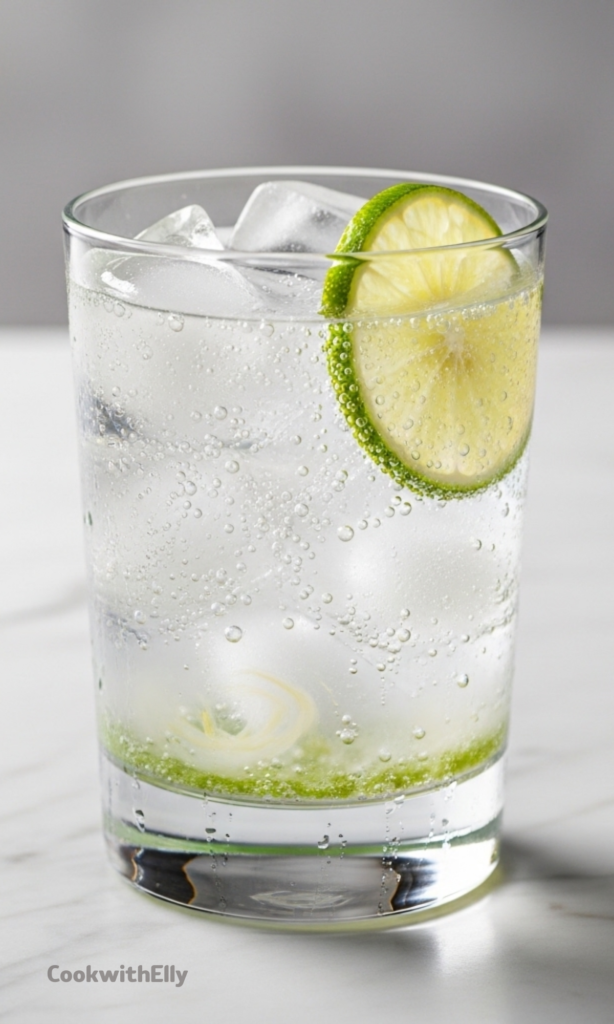

There is something quietly perfect about a well made gin and tonic. It is not flashy, it is not complicated, and it never tries too hard. Yet when done right, it feels crisp, refreshing, and completely satisfying.
under_page_title">I have made this drink hundreds of times, tweaking small things along the way. A little more lime here, colder tonic there, different gins depending on the mood. Over time, I realized the magic is not in doing more, but in doing less with care.
The best version of this cocktail is all about balance. You should taste the botanicals of the gin, the gentle bitterness of the tonic, and a bright lift of citrus, all working together instead of competing.
Once you understand that balance, you stop guessing and start making a drink that feels intentional every single time.
Why Balance Matters More Than Strength
A lot of people assume a good gin and tonic should taste strong. I used to think that too, until I realized that strength is not the goal, clarity is. You want something light enough to sip, yet flavorful enough to notice.
The tonic should never drown out the gin, and the gin should never overpower the drink. When the ratio is right, the cocktail tastes clean and refreshing instead of heavy.
This is what turns a basic two ingredient drink into something you actually look forward to making again.
Ingredients Needed for the Recipe
- Gin – The heart of the drink, providing botanical flavor and aroma. A mid to high quality London dry, Plymouth style, or a slightly spicier option works beautifully.
- Tonic Water – Adds carbonation and that signature gentle bitterness. Fresh, well chilled tonic keeps the drink lively and crisp.
- Fresh Lime Juice – Brightens the entire cocktail and ties the flavors together with a clean citrus note.
- Lime Wedge or Slice – A finishing touch that adds aroma and a subtle extra squeeze if desired.
- Ice – Keeps everything cold and properly diluted. Plenty of ice is key for the right texture.
Choosing Your Gin and Tonic
Gin styles vary more than people expect, and each one changes the personality of the drink. A classic London dry gin gives you that clean juniper forward flavor that feels traditional and sharp.
Plymouth style gins lean softer and slightly more aromatic. They create a smoother sip, which I love when I want something relaxed and easygoing.
Some gins carry a bit of spice or extra herbal character. Those can add depth without making the drink feel heavier, which makes them a fun choice when you want subtle complexity.
Tonic matters just as much as gin. I prefer small bottles because they stay fizzy and fresh, and that sparkle is essential to the finished drink.
If you want to lighten things up, you can use a lower calorie tonic. Personally, I often dilute regular tonic with a splash of soda water instead, since it keeps more flavor.
How to make The Best Gin and Tonic?
Step 1 – Fill the Glass with Ice
Start with a highball glass and fill it generously with ice. Do not be shy here, because more ice actually keeps the drink colder without watering it down too quickly.
A well chilled glass sets the tone for the entire cocktail. Warm ingredients will flatten the flavors before you even take a sip.
Step 2 – Add the Gin
Pour in 2 ounces of gin for a balanced, refreshing drink. This amount gives you plenty of botanical flavor without making the cocktail feel too strong.
If you prefer a bolder version, you can increase to 3 ounces. Just remember that the goal is harmony, not intensity.
Step 3 – Add Fresh Lime Juice
Squeeze in about 1 tablespoon of fresh lime juice. Fresh is essential because bottled juice tends to taste dull and slightly bitter.
This small addition wakes up the drink and sharpens the edges of the gin and tonic. It is the detail that makes everything taste intentional.
Step 4 – Top with Tonic Water
Slowly pour in 4 ounces of cold tonic water. Pour gently to preserve the carbonation, letting it settle naturally into the glass.
This creates the classic 1 part gin to 2 parts tonic ratio, which keeps the cocktail crisp, light, and easy to drink.
Step 5 – Give It a Gentle Stir
Use a bar spoon or long spoon to stir once or twice. You are not mixing aggressively, just helping the ingredients come together.
Too much stirring will flatten the bubbles, and those bubbles are part of what makes the drink feel refreshing.
Step 6 – Garnish and Finish
Add a lime wedge or slice to the rim of the glass. This adds a fresh citrus aroma that hits before the first sip.
Sometimes I give the wedge a light squeeze, sometimes I leave it alone. Both ways work, depending on how bright I want the drink.
Tips
- Stick to the 1 to 2 gin to tonic ratio for a drink that feels balanced rather than heavy.
- Always use cold tonic water so the carbonation stays sharp and lively.
- Choose a mid to high quality gin since this cocktail has nowhere to hide poor flavor.
- Use plenty of ice to maintain temperature without excessive dilution.
- Fresh lime is essential for brightness and should never be skipped.
- If you want fewer calories, try adding a splash of soda water instead of switching entirely to light tonic.
- For extra creativity, freeze tonic into ice cubes so melting ice does not dilute the drink.
Simple Variations to Try
Once you master the classic version, it becomes a great base for small adjustments. The key is to change only one element at a time so the drink still feels clean.
Swap lime for lemon when you want a softer citrus note. Lemon adds brightness but feels slightly rounder and less sharp.
You can also experiment with different gins depending on the season. A more herbal gin feels cozy in cooler months, while a crisp London dry shines in warm weather.
Even adjusting the garnish can shift the experience. A thin lime wheel looks elegant, while a chunky wedge feels casual and relaxed.
Serving Ideas
This cocktail works almost anywhere, which is part of why I return to it so often. It fits just as well at a small dinner gathering as it does on a quiet evening at home.
Serve it alongside simple foods that do not overpower the drink. Light snacks, grilled dishes, or salty bites all complement its clean flavor.
I like to prepare everything ahead of time when hosting. Keep the gin measured, limes cut, and tonic chilled so each glass comes together quickly.
The beauty of the gin and tonic is that it feels effortless, yet thoughtful. It is the kind of drink that invites people to slow down and stay awhile.
Once you get comfortable making it, you will notice how small details change everything. A colder glass, a fresher lime, a gin you really enjoy. Those little choices are what make this, truly, the best gin and tonic.
The Best Gin and Tonic Recipe
Description
The best gin and tonic recipe balances tonic water’s bitterness against the gin’s aromatics. London dry gins (such as Beefeater), Plymouth, or Bombay are great. London dry gins are more straightforward in flavor, while Plymouth gins are a bit more aromatic. I also like Bombay Sapphire’s extra herbal spiciness.
ingredients
Instructions
-
Fill a highball glass with ice.
-
Add gin and fresh lime juice to the glass.
-
Top with tonic water and gently stir to combine.
-
Garnish with a lime wedge or slice and serve immediately.
Nutrition Facts
Servings 1
Serving Size 1 drink
- Amount Per Serving
- Calories 269kcal
- % Daily Value *
- Sodium 15mg1%
- Potassium 10mg1%
- Total Carbohydrate 12g4%
- Sugars 11g
- Calcium 5 mg
* Percent Daily Values are based on a 2,000 calorie diet. Your daily value may be higher or lower depending on your calorie needs.
Note
- Adjust strength: Use 3 oz gin for a stronger cocktail.
- Lower-calorie option: Use light tonic or dilute regular tonic with club soda.
- Pro tip: Freeze tonic water into ice cubes so your drink won’t get watery as it melts.
Frequently Asked Questions
What’s the ideal gin-to-tonic ratio?
We recommend 1 part gin to 2 parts tonic (2 oz gin to 4 oz tonic) for a crisp, balanced drink that’s not too boozy.
Can I use lemon instead of lime?
Yes! While lime is traditional, lemon works well and adds a slightly different citrus note.