

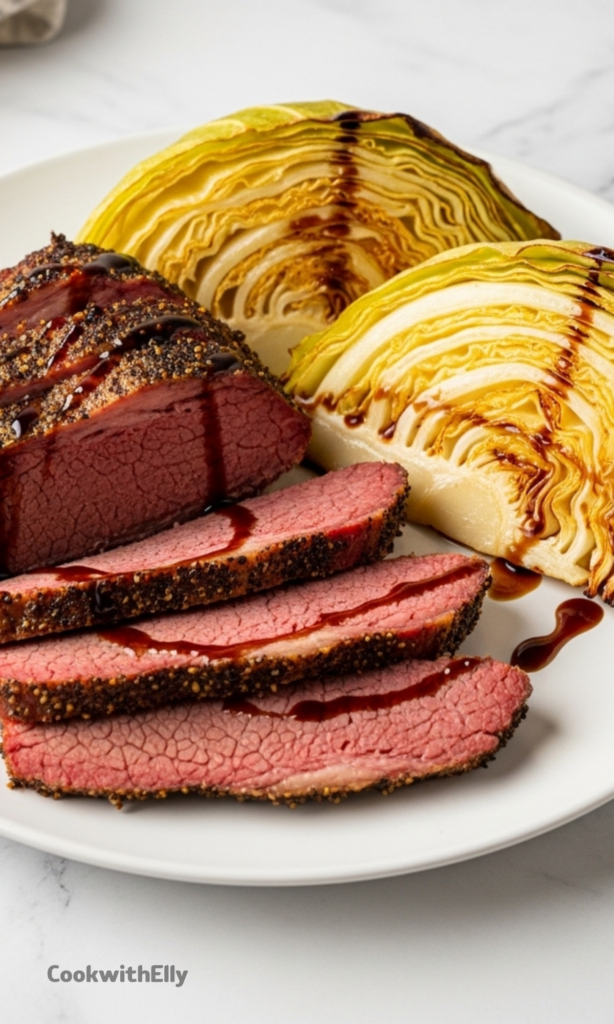

There is something deeply comforting about a big pan of corned beef and cabbage slowly cooking away in the oven. The smell alone feels like a promise that dinner is going to be worth the wait. It is simple food, yes, but it has a way of turning an ordinary day into something that feels like an occasion.
>I first made this dish thinking it would be complicated, the kind of recipe you only tackle once a year. Turns out, it is surprisingly relaxed and forgiving. Once you understand how it works, it becomes the kind of meal you come back to whenever you want something hearty and satisfying.
What I love most is how the flavors build without a lot of fuss. The beef becomes incredibly tender, the cabbage soaks up all that savory goodness, and the whole thing tastes like it took far more effort than it really did. That is my favorite kind of cooking.
This is not delicate food. It is bold, rustic, and meant to be shared generously. A big platter set in the middle of the table usually leads to second helpings, then quiet smiles while everyone keeps eating.
Choosing the Right Brisket
When buying corned beef, look for a brisket that feels well packed and evenly shaped. A little marbling is a good thing because it melts as the meat cooks and keeps everything juicy. Too lean, and you risk ending up with slices that feel dry instead of tender.
Most packaged corned beef comes with a seasoning packet tucked inside. I always use it because it already has the right balance of spices. It saves time and gives the dish that classic flavor people expect.
Size matters less than you think, as long as it fits comfortably in your baking dish. This recipe is flexible, so whether you cook for four or eight, the method stays the same. Just allow enough time for the meat to become fork tender.
Ingredients Needed for the Recipe
- Corned beef brisket (3 to 4 pounds) – the star of the dish, slow cooked until tender.
- Spice packet (if included) – adds traditional seasoning without extra measuring.
- Ground black pepper – boosts warmth and balances the richness of the meat.
- Balsamic vinegar – used to create a tangy reduction that brightens the cabbage.
- Sugar (optional) – softens the sharpness of the vinegar in the glaze.
- Green cabbage – roasted into tender wedges that absorb all the savory flavor.
- Olive oil – helps sear the cabbage and develop color.
- Kosher salt – seasons the cabbage as it cooks.
- Additional black pepper – adds a little bite to the vegetables.
- Guinness or another beer – gently steams the cabbage and adds deep flavor.
How to make Corned Beef and Cabbage?
Step 1 – Prepare the Oven and Brisket
Preheat your oven to 325°F. Remove the brisket from its packaging and place it fat side up in a sturdy baking dish. That layer of fat will slowly baste the meat while it cooks.
Sprinkle the included spices over the top, then add black pepper. Rub everything lightly so the seasoning sticks. Cover the dish tightly with foil to lock in moisture.
Step 2 – Slow Cook the Beef
Place the covered dish into the oven and let it cook for about 2 1/2 hours. This is where patience matters because the low heat gradually breaks down the brisket.
After that time, uncover the meat and continue baking another 30 to 45 minutes. The surface will deepen in color while the inside becomes incredibly tender.
Step 3 – Check for Doneness
Use a fork to test the brisket. If it slides in easily with almost no resistance, it is ready. If it still feels firm, return it to the oven and check again in 30 minutes.
This step is crucial because undercooked brisket is tough. Properly cooked corned beef should feel like it is just barely holding together.
Step 4 – Let the Meat Rest
Remove the brisket from the oven and tent it loosely with foil. Letting it rest allows the juices to settle back into the meat instead of running out when sliced.
During this time, the texture finishes relaxing. It may not seem like much is happening, but this rest makes a noticeable difference.
Step 5 – Make the Balsamic Reduction
Combine balsamic vinegar and sugar in a small saucepan over medium heat. Bring it to a gentle boil, then lower the heat and let it simmer.
The mixture will thicken and reduce by about half, turning glossy and slightly syrupy. Set it aside once it coats the back of a spoon.
Step 6 – Prepare the Cabbage
Increase the oven temperature to 350°F. Cut the cabbage into wedges, keeping the core intact so they stay together while cooking.
Heat olive oil in a heavy skillet and sear each wedge briefly on both sides. You are looking for color, not full cooking.
Step 7 – Roast the Cabbage
Transfer the seared wedges to a rack set over a baking sheet. Sprinkle them with salt and pepper, then pour beer into the bottom of the pan.
The liquid creates steam that gently cooks the cabbage while adding subtle richness. Roast for about 20 minutes until tender and caramelized at the edges.
Step 8 – Slice and Serve
Slice or shred the rested brisket against the grain. It should be so tender that cutting feels effortless.
Arrange the beef and cabbage together on a large platter. Drizzle the balsamic reduction over the cabbage for a bright finishing touch.
Serving and Leftover Ideas
This meal is generous by nature, so I like to serve it family style right on the table. A spoonful of grainy mustard on the side adds a little sharpness that works beautifully with the richness of the beef.
Boiled potatoes make a natural companion because they soak up any extra juices. Nothing fancy is needed, just something simple to round out the plate.
Leftovers are where this dish really shines. Thin slices tucked into rye bread make an incredible sandwich the next day, especially with a bit of cabbage added in.
You can also chop everything up and warm it in a skillet for a rustic hash. It is one of those meals that somehow gets even better after resting overnight.
Tips
- Cook the brisket until truly fork tender. If it feels tough, it simply needs more time.
- Always slice against the grain to keep the meat soft and easy to chew.
- Searing the cabbage first adds flavor and prevents it from tasting flat.
- Use a heavy pan for roasting so the heat stays steady.
- Let the meat rest before cutting to keep it juicy.
- Do not skip the balsamic reduction. That tangy contrast balances the richness.
- If you prefer shredded beef, pull it apart gently with two forks instead of slicing.
- Store leftovers in an airtight container and refrigerate for up to three days.
Make It Your Own
One of the nice things about corned beef and cabbage is how adaptable it is. Some days I keep it classic, other times I add carrots or onions to the pan for extra sweetness.
You can swap the beer for broth if you prefer a milder flavor. It still creates that gentle steaming effect while keeping the cabbage tender.
If you enjoy a stronger glaze, let the balsamic reduce a little longer. The thicker it gets, the more intense the flavor becomes.
This is the kind of recipe that welcomes small changes without losing its identity. However you adjust it, the heart of the dish stays the same, warm, filling, and meant to be shared.
Corned Beef and Cabbage Recipe
Description
A beloved St. Patrick's Day tradition, this hearty and comforting dish features tender, slow-baked corned beef brisket paired with beer-braised cabbage wedges and finished with a tangy balsamic reduction. Simple to prepare and deeply flavorful, it’s perfect for festive gatherings or a cozy family dinner.
ingredients
Corned Beef
Balsamic Reduction
Cabbage
Instructions
-
Bake the Corned Beef
Preheat the oven to 325°F (163°C). Unwrap the brisket and place it fat-side up in a baking dish. If your package includes a spice packet, sprinkle it over the brisket, then add the ground black pepper and rub it in. Cover tightly with heavy-duty aluminum foil and bake for 2½ hours. -
Finish Baking
Uncover the brisket and continue baking for an additional 30–45 minutes. Check for doneness by inserting a fork—if it slides in easily with no resistance, the meat is ready. If not, return to the oven in 30-minute increments until fork-tender. Once done, remove from oven and let rest, loosely covered with foil. -
Make the Balsamic Reduction
While the brisket rests, combine balsamic vinegar and sugar (if using) in a small saucepan. Bring to a boil over medium-high heat, then reduce to a simmer. Cook until reduced by half and syrupy, about 10–15 minutes. Set aside. -
Prepare the Cabbage
Increase oven temperature to 350°F (177°C). Cut the cabbage into 8 wedges. Heat olive oil in a large skillet over medium-high heat. Sear cabbage wedges for about 1 minute per side until lightly browned. Transfer to a wire rack set over a rimmed baking sheet. Season with salt and pepper. -
Bake the Cabbage
Pour Guinness into the bottom of the baking sheet (not over the cabbage). Place in the oven and bake for 20 minutes, or until cabbage is tender and deeply golden. -
Serve
Slice or shred the rested corned beef. Arrange on a platter with cabbage wedges. Drizzle generously with balsamic reduction. Serve with grainy mustard and boiled new potatoes if desired.
Nutrition Facts
Servings 8
Serving Size 1 serving (approx. 5 oz beef + 5 oz vegetables)
- Amount Per Serving
- Calories 480kcal
- % Daily Value *
- Total Fat 27g42%
- Saturated Fat 9g45%
- Cholesterol 143mg48%
- Sodium 3310mg138%
- Potassium 890mg26%
- Total Carbohydrate 25g9%
- Dietary Fiber 6g24%
- Sugars 12g
- Protein 29g58%
- Calcium 10 mg
- Iron 25 mg
* Percent Daily Values are based on a 2,000 calorie diet. Your daily value may be higher or lower depending on your calorie needs.
Note
- Make ahead: Corned beef can be cooked a day in advance and reheated gently with its juices.
- Beer substitute: Replace Guinness with beef broth if avoiding alcohol.
- Serving suggestion: Pair with boiled new potatoes or crusty rye bread.
- Leftovers: Use in Reuben sandwiches, corned beef hash, or casseroles.
Frequently Asked Questions
Can I make this in a slow cooker?
Yes! Place the brisket and spice packet in the slow cooker with enough water or beer to cover. Cook on low for 8–10 hours. Add cabbage during the last hour.
How do I know when the corned beef is done?
The meat is done when it’s fork-tender—meaning a fork slides in easily with little to no resistance. If it’s tough, it needs more time.
How long do leftovers last?
Stored in an airtight container in the fridge, cooked corned beef and cabbage will keep for up to 3 days.