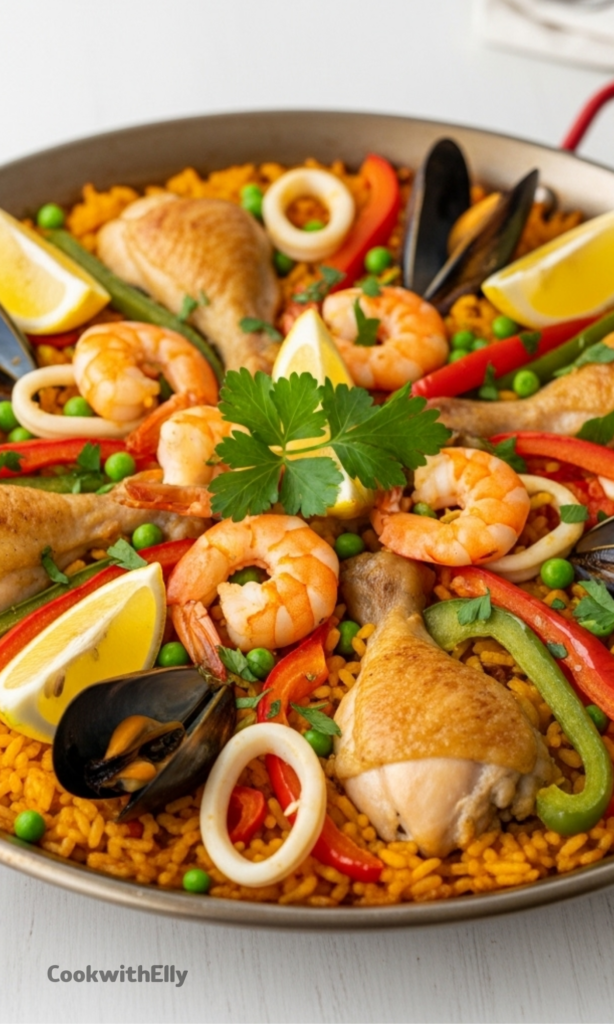
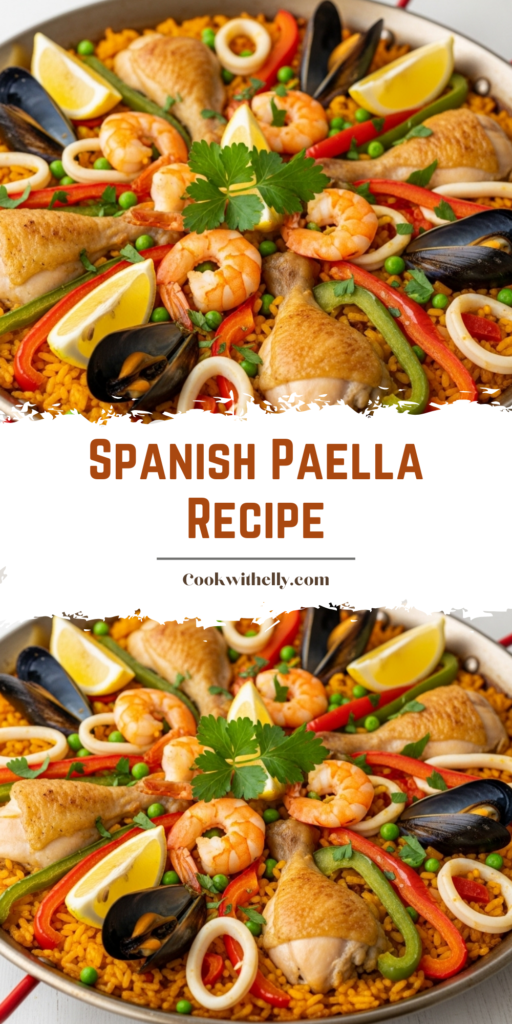
There's something almost magical about a well-made paella. It's not just dinner, it's a vibrant, aromatic centerpiece that feels like a celebration all on its own.
I learned to make this version while living in Madrid, scribbling notes in my notebook as my host mother, a truly incredible cook, guided me through the process.
After lots of testing back home, I'm thrilled to share this approachable recipe that brings Spain's most iconic dish right to your kitchen, no special pan required.
More Than Just a Rice Dish
Paella is the heart of Spanish cuisine, originating from Valencia but cherished nationwide. It’s a social meal, traditionally cooked over an open fire and meant to be shared straight from the pan.
The beauty lies in its versatility and the incredible crust that forms at the bottom, known as the socarrat. That's the golden prize everyone hopes to get a spoonful of.
Getting that perfect socarrat isn't about fancy equipment, it's about patience and a simple rule: don't stir the rice.
Trust the process, and you'll be rewarded with a dish that’s fragrant, comforting, and wonderfully complex in flavor. This recipe creates a "Paella Mixta," a glorious mix of land and sea that’s always a crowd-pleaser.
Ingredients Needed for the Recipe
Gathering your ingredients is the first step to building those incredible layers of flavor. Here’s what you’ll need, and why each one matters.
Extra Virgin Olive Oil: The foundation. A good Spanish oil, if you can find it, adds an authentic, fruity base for sautéing.
Onion, Bell Pepper, Garlic: This classic Spanish "sofrito" trio is cooked slowly to create a sweet, aromatic backbone for the entire dish.
Roma Tomatoes: Finely diced, they melt into the sofrito, adding a subtle acidity and body that balances the richness.
Bay Leaf, Paprika, Saffron: The soul of paella. Saffron provides that iconic golden hue and earthy flavor, while smoked paprika adds a warm, smoky depth.
Boneless Chicken Thighs: Thighs stay juicy through the longer cooking time, offering tender bites of savory protein.
Spanish Rice (Bomba): The star. This short-grain rice absorbs three times its volume in liquid without going mushy, crucial for the perfect texture.
White Wine: It deglazes the pan, picking up all the tasty bits from the sofrito and adding a layer of bright acidity.
Chicken Broth: Infuses the rice with savory flavor as it cooks. It's the convenient shortcut for homemade seafood stock.
Jumbo Shrimp, Mussels, Calamari: They bring the taste of the sea. Nestled in at the end, they cook gently, staying plump and tender.
Frozen Peas & Fresh Parsley: Peas add a pop of color and sweetness, while fresh parsley gives a necessary hit of brightness right before serving.
The Right Rice & Pan
Let's talk about the two things people worry about most: the rice and the pan. First, Spanish bomba rice is ideal. You can find it online or in international markets.
If you absolutely must substitute, a medium-grain rice like Calrose will work, but you’ll need to reduce the broth by about a cup and a quarter to compensate.
Now, about that pan. You don't need a traditional paella pan. A large, heavy-bottomed skillet, about 12 inches across, is perfect for this recipe.
The key is having a wide cooking surface so the rice can spread into a thin, even layer. That’s what helps it cook uniformly and develop that wonderful socarrat.
How to make Spanish Paella?
The method is straightforward, but a few key techniques make all the difference. Read through the steps before you start, and you'll see how simple it really is.
Make this recipe yours—just save it to your Pinterest board!”
Step 1: Build the Flavor Base (Sofrito)
Heat the olive oil in your large skillet over medium heat. Add the diced onion and bell pepper, cooking until the onion is soft and translucent.
Stir in the garlic and cook just until fragrant, about 30 seconds. Now, add the finely chopped tomatoes, bay leaf, paprika, saffron, a good pinch of salt, and a few cracks of black pepper.
Let this mixture cook, stirring occasionally, for a good five minutes. You want the tomatoes to break down and the oils from the spices to release, creating a deeply fragrant, reddish paste at the bottom of your pan.
Step 2: Deglaze with Wine
Pour in the white wine. It will sizzle and steam, scraping up any delicious bits stuck to the pan. Let it simmer and reduce for about 10 minutes, which concentrates the flavor and cooks off the raw alcohol taste. This is a great time to taste and adjust the seasoning.
Step 3: Add Protein and Rice
Add the chopped chicken thighs and half of your chopped parsley to the skillet, stirring to coat them in the sofrito. Cook for just a minute to let the parsley become aromatic.
Now, sprinkle the rice evenly over the entire mixture. Stir it all together, just once, to ensure every grain is coated in that glorious oil and spice mixture.
Step 4: Add Broth and Begin Cooking
Slowly and carefully pour the chicken broth all around the pan. Gently shake or jiggle the pan to settle the rice into a flat, even layer. This is it—from this moment forward, do not stir.
Bring the liquid to a lively boil, then immediately reduce the heat to a steady medium-low simmer.
Step 5: Cook Uncovered and Add Seafood
Let the paella cook undisturbed for about 15 to 18 minutes. You’ll see the liquid being absorbed. When the rice on top is nearly tender and most of the surface liquid is gone, it’s time for the seafood.
Nestle the shrimp, mussels (hinge-side down so they open easily), and calamari rings into the rice. Scatter the frozen peas over the top.
Continue cooking, without stirring, for another 5 minutes or so, just until the seafood is cooked through and the mussels have opened. Discard any mussels that remain closed.
Step 6: Rest, Then Serve
Remove the skillet from the heat. Cover it tightly with a lid or aluminum foil, then drape a clean kitchen towel over the top. Let the paella rest for a full 10 minutes.
This crucial step allows the rice to finish steaming and absorb any last bit of moisture, becoming perfectly tender.
Tips
Resist the Urge to Stir: This is the golden rule. Stirring releases starch and makes the rice gummy, and it prevents the coveted socarrat from forming at the bottom.
Listen for the Socarrat: In the last few minutes of cooking, listen for a faint crackling sound. Smell for a subtle, toasty aroma. That’s the socarrat forming! If you don't hear it, you can increase the heat for the final 45-60 seconds, but watch it closely.
Fresh vs. Frozen Seafood: Fresh is wonderful, but a high-quality frozen seafood mix is a fantastic, accessible option. Just be sure to thaw it completely in the fridge overnight first.
Let it Be: After adding the broth, trust the process. Don't poke, don't peek excessively. Let the heat and the pan do their work.
The Towel Trick: Covering the pan with a towel after cooking traps steam, ensuring the top layer of rice becomes as fluffy and tender as the rest.
Making It Your Own: Variations
The framework of paella is wonderfully adaptable. If you're not a seafood fan, simply leave it out and add more chicken, or try diced pork loin or chorizo sausage, browning it first before setting it aside and adding it back with the rice.
For a vegetarian version, omit the meat and seafood and load up on artichoke hearts, green beans, mushrooms, and asparagus, adding them with the bell peppers.
The classic Valencian paella often features rabbit or snails with chicken, green beans, and artichokes. Feel free to experiment, but remember the core principles: a good sofrito, the right rice, and, please, no stirring once the broth is in.
Serving Your Masterpiece
Presentation is part of the fun. Garnish your paella generously with the remaining fresh parsley and big, bright slices of lemon. Serve it family-style, right from the skillet placed in the center of the table.
All you need alongside is a simple green salad with a sharp vinaigrette to cut through the richness, and maybe some crusty bread for soaking up the last delicious bits.
It’s a dish meant for sharing, for conversation, and for savoring the simple, profound joy of a meal made with care. Now, go grab your skillet. Your journey to perfect paella starts now.
You can make a delicious, authentic Paella—the most popular dish of Spain—in your own kitchen with simple ingredients like rice, saffron, vegetables, chicken, and seafood. If you love cooking international food, you will fall in love with this comforting one-pot meal!
ingredients
Base & Aromatics
1/4cup extra virgin olive oil (Spanish EVOO if available)
1 onion (diced)
1 bell pepper (diced (½ red, ½ green preferred))
4cloves garlic
3 roma tomatoes (very finely diced (or 8 oz tomato sauce))
1 bay leaf
1teaspoon paprika (sweet or smoked)
1pinch saffron threads (or 1 tsp saffron powder)
salt and pepper (to taste)
Main Components
1/4cup white wine
4 boneless, skinless chicken thighs (cut into pieces)
2cups Spanish rice (such as Bomba or Calasparra)
5cups chicken broth (or homemade seafood stock)
1/4cup fresh chopped parsley (divided)
1/2cup frozen peas
Seafood
1/2lb jumbo shrimp or prawns (peeled, tail on (~12 pieces))
1/2lb mussels (cleaned, beards removed (~10–12))
8oz calamari rings
Garnish
lemons (sliced, for garnish)
Instructions
1
Sauté vegetablesAdd olive oil to a large skillet (12–14 inch) over medium heat. Add onion, bell pepper, and garlic. Sauté until onion is translucent. Add tomatoes, bay leaf, paprika, saffron, salt, and pepper. Stir and cook for 5 minutes.
2
DeglazeAdd white wine and cook for 10 minutes, stirring occasionally. Taste and adjust salt if needed.
3
Add chicken and riceStir in chicken pieces, 2 tablespoons of chopped parsley, and Spanish rice. Cook for 1 minute to lightly toast the rice.
4
Add brothPour chicken broth slowly around the edges of the pan. Gently jiggle the pan to evenly distribute the rice. Do not stir from this point onward.
5
Simmer riceBring mixture to a boil, then reduce heat to medium-low. Shake the pan gently once or twice during cooking—but never stir—to allow the socarrat (crispy bottom layer) to form.
6
Add seafoodAfter 15–18 minutes of uncovered cooking, nestle shrimp, mussels, and calamari into the rice. Sprinkle peas on top. Continue cooking uncovered for 5 more minutes, or until most liquid is absorbed and seafood is cooked.
If rice is still firm, add ¼ cup more broth and cook 2–3 minutes longer.
7
RestRemove pan from heat. Cover tightly with a lid or foil, then place a kitchen towel over the top. Let rest for 10 minutes.
8
ServeGarnish with remaining parsley and lemon slices. Serve directly from the pan.
Nutrition Facts
Servings 6
Serving Size 1 serving
Amount Per Serving
Calories620kcal
% Daily Value *
Total Fat23g36%
Saturated Fat5g25%
Cholesterol175mg59%
Sodium1120mg47%
Potassium890mg26%
Total Carbohydrate60g20%
Dietary Fiber4g16%
Sugars5g
Protein42g84%
Calcium 8 mg
Iron 20 mg
* Percent Daily Values are based on a 2,000 calorie diet. Your daily value may be higher or lower depending on your calorie needs.
Note
Rice tip: Do not rinse Spanish rice—it needs its surface starch for proper texture.
No paella pan? A large, shallow skillet (12–14 inches) works perfectly.
Don’t stir! Stirring prevents the formation of socarrat—the prized crispy bottom layer.
Seafood substitute: Use any mix you like—clams, scallops, or fish chunks work well.
Vegetarian option: Omit meat and seafood; add artichokes, mushrooms, green beans, and olives.