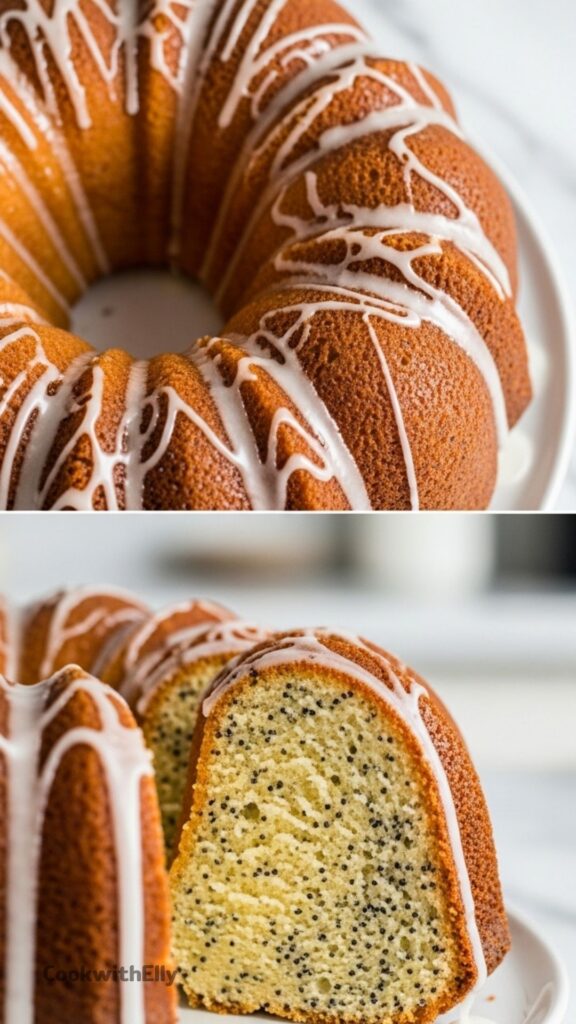
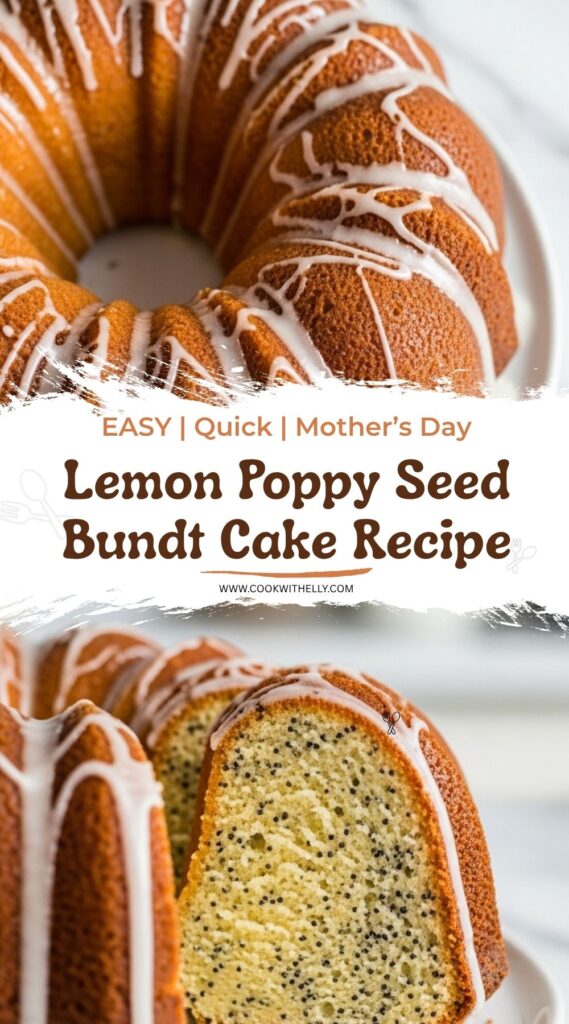
The smell hits first. Sharp lemon, a little sweet, and something warm and buttery underneath. I always know I’m on the right track when the kitchen smells like that.
I usually rush this part and regret it, but today I slowed down. Let the butter soften properly, didn’t poke it every five minutes. It actually made a difference, which is slightly annoying because patience is not my strong suit.
This cake sits somewhere between bright and comforting. Not too sweet, not too tangy. Just enough of both to make you cut another slice without thinking too hard about it.
A Small Moment Before It All Came Together
I almost skipped the poppy seeds once. Didn’t feel like digging through the pantry. Thought, “it’s just a lemon cake anyway.” I was wrong, obviously.
They don’t shout, but they matter. Tiny crunch, little bursts of nuttiness. Now I always double check I have them before I even start.
Ingredients Needed for the Recipe
2 and 3/4 cups all-purpose flour - gives the cake its structure
1 teaspoon baking powder - helps it rise evenly
1/2 teaspoon baking soda - adds lift and lightness
1 teaspoon salt - balances sweetness
3 tablespoons poppy seeds - for texture and subtle flavor
3/4 cup unsalted butter (softened) - adds richness
2 cups granulated sugar - sweetens and softens crumb
4 large eggs (room temperature) - binds everything together
2 teaspoons vanilla extract - rounds out the flavor
1/3 cup fresh lemon juice - gives the main citrus punch
2 tablespoons lemon zest - intensifies the lemon flavor
1/4 cup oil - keeps the cake moist longer
1 cup sour cream - adds softness and slight tang
1 cup confectioners’ sugar - base for the glaze
2 to 3 tablespoons lemon juice (for glaze) - thins and flavors the glaze
How to make Lemon Poppy Seed Bundt Cake?
Step 1 - Prep the base
I start by preheating the oven and getting the pan ready. Greasing a bundt pan properly is boring but important. I missed a spot once and lost half the cake trying to unmold it.
Then I whisk together the dry ingredients. Flour, leavening, salt, poppy seeds. Quick mix, nothing fancy.
Step 2 - Cream butter and sugar
This part takes longer than I want it to. I beat the butter and sugar until it turns pale and fluffy. If I stop too early, the cake ends up dense. Learned that the hard way.
I usually scrape the bowl once or twice because it likes to hide little pockets of butter.
Step 3 - Add eggs and flavor
Eggs go in one at a time. I rush this sometimes and the mixture looks curdled. It fixes itself, but still.
Then I add vanilla, lemon juice, zest, and oil. The batter starts smelling like something worth baking at this point.
Step 4 - Bring it together
I alternate the dry mix and sour cream. A bit of flour, then sour cream, repeat. Keeps everything smooth and prevents overmixing.
I stop mixing as soon as it looks combined. Overworking it makes the cake tougher than it should be.
Step 5 - Bake
The batter goes into the pan, and I smooth the top a little. Into the oven it goes, and then the waiting begins.
Somewhere around 40 minutes, I start checking. Toothpick test never lies. If the top browns too fast, I loosely cover it with foil.
Step 6 - Cool and release
I let it sit in the pan for about 30 minutes. Not longer, not shorter. Timing matters here more than I’d like.
Then I flip it out. There’s always a tiny moment of doubt, but it usually comes out clean if I’ve prepped the pan properly.
Step 7 - Make the glaze
Powdered sugar and lemon juice. That’s it. I mix until it’s smooth and pourable.
If it’s too thick, I add a few drops more juice. Too thin, more sugar. I don’t measure too strictly here.
Step 8 - Finish the cake
Once the cake is completely cool, I pour the glaze over the top. It drips down the sides in a messy way I actually like.
I wait a bit for it to set, but not always. Sometimes I cut into it while it’s still slightly soft.
Something That Almost Went Wrong
One time I added extra lemon juice to “boost flavor.” Bad idea. The batter turned thinner than it should be, and the texture suffered.
Now I stick to adding more zest instead. It gives stronger flavor without messing up the structure.
Texture and Flavor Notes
This cake lands right in the middle of soft and sturdy. It holds its shape, but each bite still feels light. That’s the butter and oil working together.
The lemon is noticeable but not sharp. The glaze adds that final bright kick that pulls everything together.
And those poppy seeds? Small, but they keep things interesting. Without them, it feels slightly flat.
Tips
Don’t skip creaming the butter and sugar properly - it affects the texture a lot
Use fresh lemon juice for better flavor
Add extra zest instead of extra juice if you want stronger lemon taste
Grease the bundt pan thoroughly to avoid sticking
Let the cake cool before glazing, or it will melt off
Tent with foil if the top browns too quickly
Store in an airtight container to keep it moist
I usually end up slicing a piece while standing in the kitchen, before it even makes it to a plate. It’s one of those cakes that doesn’t really need a reason.
Some days it’s for guests. Most days it’s just because I wanted something bright and soft with my tea. Either way, it never lasts long.
This Lemon Poppy Seed Bundt Cake is moist, perfectly sweet, and lemony! It’s completely homemade and is topped with the most delicious lemon glaze. A bright and fresh dessert perfect for spring celebrations or afternoon tea.
2-3tablespoons fresh lemon juice (30-45ml, or as needed)
Instructions
To make the cake
1
Preheat Oven & Prep Dry Ingredients – Preheat oven to 350°F (180°C). In a large mixing bowl, whisk together the flour, baking powder, baking soda, salt, and poppy seeds. Set aside.
2
Cream Butter and Sugar – In the bowl of a stand mixer fitted with the paddle attachment (or using a hand-held mixer), beat the softened butter and granulated sugar until light and fluffy. This step is crucial for a soft texture.
3
Add Wet Ingredients – Mix in the eggs one at a time, then mix in the vanilla extract. Slowly mix in the fresh lemon juice, lemon zest, and oil until combined.
4
Combine Batter – Alternate mixing the flour mixture and the sour cream into the wet ingredients, starting with the flour and ending with the flour. Mix until just combined; do not overmix.
5
Bake – Spray a 10-inch bundt pan well with non-stick cooking spray. Pour the batter into the prepared bundt pan and evenly spread it around. Bake at 350°F for 45-55 minutes or until a toothpick inserted into the center comes out clean. Cover loosely with foil if needed for the last 5-10 minutes to prevent excess browning.
6
Cool – Remove from the oven and cool in the pan on a wire rack for 30 minutes. Then invert the cake onto a wire rack to finish cooling completely.
To make the glaze
7
Mix Glaze – Add the confectioners' sugar and lemon juice to a small mixing bowl and mix until fully combined and smooth.
8
Glaze Cake – Once the cake has cooled completely, place a piece of foil under the wire rack to catch drips. Pour the lemon glaze evenly over the cake and allow to harden for about 10-15 minutes before slicing.
Nutrition Facts
Servings 10
Serving Size 1 slice
Amount Per Serving
Calories420kcal
% Daily Value *
Total Fat16g25%
Saturated Fat8g40%
Trans Fat0.5g
Cholesterol95mg32%
Sodium380mg16%
Potassium120mg4%
Total Carbohydrate68g23%
Dietary Fiber1g4%
Sugars42g
Protein5g10%
* Percent Daily Values are based on a 2,000 calorie diet. Your daily value may be higher or lower depending on your calorie needs.
Note
Pan size: If you don't have a bundt pan, you can also make this recipe in two 8x8-inch cake pans. Adjust baking time accordingly.
Storage instructions: Store the cake in an airtight container at room temperature for up to five days. Unglazed cake can be frozen for up to three months and thawed to room temperature before serving.