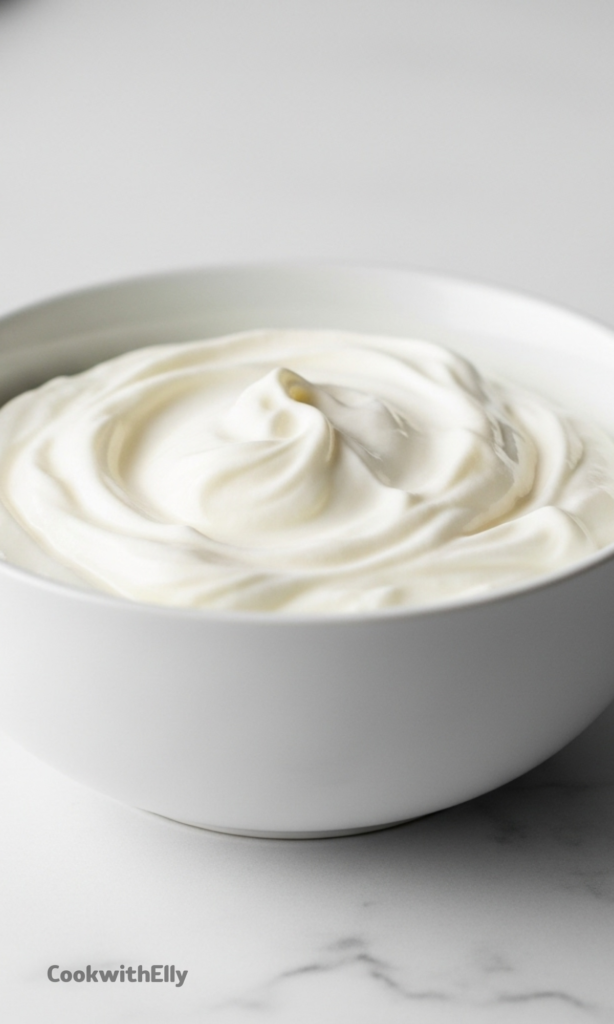
There's a quiet kind of magic in making your own Greek yogurt, a small miracle you can perform right on your stovetop.
It turns out, that luxuriously thick, tangy creaminess you love doesn't require a factory, just a little patience and two humble ingredients.
Why Your Own Yogurt Tastes Better
Store-bought versions simply can't compete with the fresh, clean flavor of a batch you've cultured yourself.
You control the texture, from softly spoonable to luxuriously dense, and every spoonful feels like a genuine accomplishment.
Ingredients Needed for the Recipe
Gathering what you need is delightfully simple, and each component has a specific, important role.
Here’s everything that will transform milk into your new favorite treat.
Milk (Whole or 2%): This is the main canvas for your yogurt. Whole milk creates an incredibly rich, creamy result, while 2% still yields a lovely texture. The milk's proteins are what thicken into that satisfying curd.
Plain Yogurt with Live Cultures: Think of this as the starter, the magical agent that kicks everything off. Just a quarter cup is packed with beneficial bacteria that will gently ferment the milk, turning it tart and thick.
The Tools You Already Own
You truly don't need any fancy gadgets or special machines for this process.
Your kitchen is already stocked with the perfect equipment, I promise.
A heavy-bottomed pot with a lid is your best friend here, as it distributes heat evenly and helps keep the temperature steady.
An instant-read thermometer takes the guesswork out, ensuring your milk is just the right warmth for the cultures to thrive.
A fine-mesh strainer and cheesecloth (or a clean tea towel) are the only things standing between regular yogurt and the thick Greek style we're after.
How to Make Greek Yogurt?
The entire process is a gentle dance of heating, cooling, and waiting.
Make this recipe yours—just save it to your Pinterest board!”
Let’s walk through each step, from milk to magnificent yogurt.
Step 1 - Heat the Milk Gently
Pour your milk into the pot and place it over medium heat. You're aiming for a gentle simmer, not a rolling boil.
Heat it until bubbles just begin to form at the edges and your thermometer reads between 190°F and 200°F, which usually takes about 15 minutes.
Step 2 - Cool to a Cozy Warmth
Now, let that milk cool down. This is a crucial pause.
You need it to drop to a cozy bath temperature, between 105°F and 115°F, so it’s welcoming to the live cultures without harming them.
Step 3 - Welcome the Starter
While the milk cools, scoop your plain yogurt starter into a small bowl and let it lose its chill.
Once the milk is ready, whisk a half-cup of the warm milk into the starter to temper it, then gently stir this mixture back into the big pot.
Step 4 - The Long, Quiet Nap
Cover the pot with its lid and tuck it into a warm, draft-free spot. Your oven with just the light on, or a corner of the counter wrapped in a thick towel, works perfectly.
Leave it utterly undisturbed for at least 6 hours, or even up to 10, while the magic happens.
Step 5 - Chill and Set Firmly
After its long rest, you'll see the milk has transformed into softly set yogurt.
Place the entire pot, still covered, into the refrigerator for at least another 6 hours; this firms it up and deepens that wonderful tang.
Step 6 - Strain to Creamy Perfection
Line your strainer with cheesecloth and set it over a bowl. Spoon in the chilled yogurt.
Let it drain in the fridge for 2 to 8 hours—the longer it strains, the thicker and more concentrated your Greek yogurt becomes.
Step 7 - Enjoy Your Creation
Transfer your beautifully thick yogurt to clean jars or containers.
It will keep, deliciously fresh, in your refrigerator for up to two wonderful weeks.
Tips
A few little insights can make your first batch, and every batch after, a smooth success.
These are the small things I’ve learned that make a big difference.
When choosing your store-bought starter, flip the carton and look for the words “live active cultures.” That’s the good stuff you need.
Reserve a quarter cup from your finished batch to start the next one. It’s a beautiful, self-sustaining cycle, but use it within a week for the most active cultures.
If your kitchen is cool, creating a warm incubation spot is key. My favorite trick is to turn the oven on to its lowest setting for just two minutes, turn it off, then place the covered pot inside with the oven light left on.
What to Do With Your Whey
That slightly yellowish liquid draining from your yogurt is whey, and it’s a treasure, not trash.
It’s full of protein and a subtle tang that can lift up other recipes in your kitchen.
Use it to replace the water or buttermilk in bread, muffin, or pancake batter for a tender, flavorful boost.
Add a splash to your morning smoothie for an extra hit of protein without altering the taste much.
You can even use it as the liquid for cooking grains like rice or quinoa, imparting a lovely, mild richness.
When Things Don't Go As Planned
Sometimes, even with care, a batch might not turn out textbook perfect, and that’s perfectly okay.
Here’s how to understand, and deliciously salvage, a few common hiccups.
Runny Yogurt: If it didn’t set firmly, the incubation temperature was likely too cool or too brief. Don’t toss it! This thin, tangy liquid is essentially homemade buttermilk—fantastic for dressings, marinades, or baking.
Overly Sour Yogurt: This means the cultures partied a bit too long. Its sharpness is now perfect for tenderizing meat in a savory marinade or blending into a refreshing, herby dip.
Grainy Texture: This can happen if the milk got a little too hot. While not ideal for eating plain, it works wonderfully in baked goods like cakes or quick breads where it will be blended smooth.
Beyond the Breakfast Bowl
Your homemade Greek yogurt is a versatile star that can travel from savory dinners to sweet desserts with ease.
Let it become your secret ingredient for adding creaminess and a protein punch to so many dishes.
Swirl it into soups just before serving for instant richness, or dollop it on top of spicy stews as a cool contrast.
Mix it with minced garlic, lemon juice, and fresh herbs for an instant sauce for grilled chicken, fish, or roasted vegetables.
Whip it with a touch of honey and vanilla, then layer it with fresh fruit and granola for a parfait, or freeze it for a simple, healthier frozen treat.
Homemade Greek yogurt is easy to prepare, more flavorful than any commercial yogurt, and more economical as well! With this Greek yogurt recipe, you need just two ingredients and no special equipment!
Nothing compares to creamy, rich Greek yogurt! It has a thicker consistency and a much higher protein content than regular yogurt. This makes Greek yogurt an ideal choice for those interested in a protein-rich diet. Moreover, yogurt is an essential ingredient in many Mediterranean recipes, including breakfasts, dips, marinades, soups, and even cakes!
Ingredients
0.5gallon whole or 2% milk ((8 cups, pasteurized))
0.25cup plain yogurt with live active cultures (store-bought or homemade, at room temperature)
Instructions
1
Heat the milkRinse the inside of a heavy 3- to 4-quart pot with cold water to prevent scorching. Add milk and heat over medium heat, stirring occasionally, until it reaches 190–200°F (about 15 minutes). Remove from heat.
2
Cool the milkLet milk cool in the pot, stirring occasionally, until it reaches 105–115°F. You can speed this up with an ice bath if needed.
3
Incorporate the starter yogurtIn a small bowl, stir ½ cup of the warm milk into the starter yogurt to temper it. Then slowly whisk this mixture back into the pot of warm milk.
4
Incubate the mixtureCover the pot and place it in a warm, undisturbed spot for 6–10 hours to allow the yogurt to set. Options include wrapping the pot in towels, using a turned-off oven with light on, or using a proofing setting if available.
5
Chill the yogurtRefrigerate the pot (do not stir) for at least 6 hours or up to 2 days to thicken and develop tangy flavor.
6
Strain the yogurtLine a fine-mesh strainer with cheesecloth over a large bowl. Spoon in the yogurt and refrigerate for 2–8 hours until desired thickness is reached.
7
Store and enjoyTransfer the strained yogurt to airtight containers. Store in the refrigerator for up to 2 weeks.
Nutrition Facts
Servings 6
Serving Size 1 cup
Amount Per Serving
Calories110kcal
% Daily Value *
Total Fat6 gg10%
Saturated Fat3.5 gg18%
Trans Fat0 gg
Cholesterol20 mgmg7%
Sodium85 mgmg4%
Potassium240 mgmg7%
Total Carbohydrate7 gg3%
Dietary Fiber0 gg0%
Sugars6 gg
Protein6 gg12%
Calcium 20 mg
* Percent Daily Values are based on a 2,000 calorie diet. Your daily value may be higher or lower depending on your calorie needs.
Note
Use pasteurized milk: It's safe and reliable for culturing. Avoid ultra-pasteurized milk if possible.
Keep cultures alive: Save ¼ cup of your homemade yogurt to use as a starter for your next batch—use within a week.
Adjust thickness: Strain longer for labneh (up to 24 hours) or less for a lighter Greek-style yogurt.
Whey is useful: Don’t discard the strained whey—it’s great in smoothies, bread, or soups!