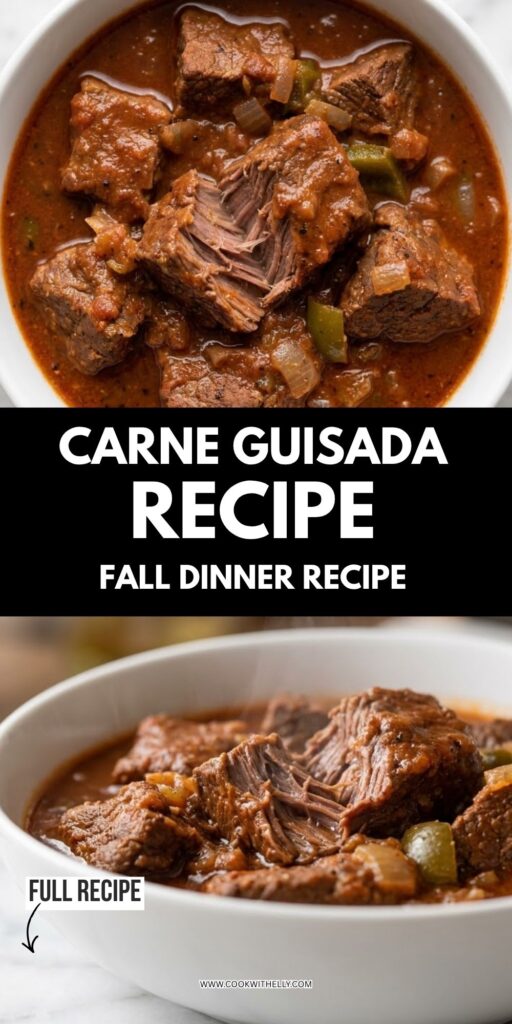
I have a weakness for dinners that make my kitchen smell like something has been cooking all afternoon, even when I really only had a few basic ingredients to start with. Carne guisada is exactly that kind of meal for me. I get tender chunks of beef, a rich tomato gravy, plenty of cumin, and onions that practically disappear into the sauce.
I usually make this when I want something hearty without needing a complicated recipe. There is some waiting involved, but most of that time is hands-off. I brown the beef, build the gravy, cover the pan, and let everything slowly become tender.
I also love that I don't have to make a special grocery trip for it. Stew meat, onion, tomato sauce, garlic, cumin, flour, and a few pantry basics are enough to turn into a seriously comforting dinner.
Carne guisada is different from carne asada, even though the names can sound similar. I think of carne asada as grilled beef, while carne guisada is all about slowly stewed beef and gravy. I especially like serving mine with warm flour tortillas because I can scoop up the beef and gravy without worrying too much about a fork.
Ingredients I Used for the Recipe
- 3 pounds stew meat: I use beef chuck or another good stew beef cut into roughly 1-inch pieces. Pre-cut stew meat saves me a little time on busy nights.
- 1 tablespoon oil: I use regular cooking oil for browning the beef, although bacon grease or lard works when I happen to have it around.
- 1 medium onion, diced: I use onion for sweetness and savory flavor, and I like cutting it fairly small so it softens right into the gravy.
- 1 small green bell pepper, diced, optional: I sometimes add it when I have one in the refrigerator. It brings a mild pepper flavor without making the stew spicy.
- 3 tablespoons tomato sauce or 1 large tomato, diced: I use tomato sauce most often because it is easy and gives the gravy a nice base.
- 1 teaspoon garlic powder or 3 cloves garlic, minced: I use whichever one I have available. Fresh garlic gives a little more punch, while garlic powder is wonderfully convenient.
- 2 teaspoons ground cumin: I rely on cumin for that warm, earthy flavor that makes the stew taste much more developed.
- 2 teaspoons salt: I start here and adjust toward the end after the gravy has cooked down.
- 1/2 teaspoon black pepper: I use this for a little extra seasoning without adding heat.
- 2 tablespoons all-purpose flour: I use flour to thicken the cooking liquid into the rich gravy I want.
- 1 cup water or chicken stock: I usually use stock when I have it because it adds another layer of flavor, but plain water works just fine.
- Flour tortillas, rice, or mashed potatoes for serving: I like warm flour tortillas best, but rice and mashed potatoes both make the meal extra filling.
How to Make Carne Guisada Recipe?
Step 1 - Brown the Beef and Onion
I start by heating the oil in a large heavy pan over high heat. I like using my cast iron skillet when I have enough room because it holds heat really well and gives me a nice browned surface on the beef.
I add the stew meat along with the diced onion and green bell pepper if I am using it. I let everything cook over high heat until the beef has good color on the outside. I don't rush this part, but I also don't worry about cooking the beef through yet.
One mistake I made early on was crowding the pan too much. The beef started releasing liquid and basically steamed instead of browning. Now I give the pieces enough room to actually touch the hot pan.
Step 2 - Build the Seasoned Tomato Base
Once the beef has browned, I add the tomato sauce or diced tomato. Then I stir in the garlic, cumin, salt, and black pepper.
I give everything a really good stir so the seasoning coats the beef. The cumin becomes especially fragrant at this point, and this is usually when my kitchen starts smelling like dinner is going to be much better than the effort I actually put into it.
Step 3 - Add the Flour
I sprinkle the flour directly over the beef mixture and stir until it is well distributed. I don't dump it all into one spot because I want to avoid little flour clumps later.
The flour might look a little dry at first, but I don't worry about that. The liquid comes next, and the flour will help turn everything into a thick, savory gravy as the carne guisada cooks.
Step 4 - Add the Liquid
I slowly add the water or chicken stock while stirring the mixture. I make sure to scrape around the bottom of the pan as I stir because all those browned bits are worth keeping.
I keep stirring until the flour has blended into the liquid and I don't see obvious lumps. The mixture won't necessarily look like a finished gravy yet. I just want everything combined before I cover the pan.
Step 5 - Simmer Until the Beef Is Tender
I bring the mixture to a boil, then cover the pan and turn the heat down to low. This is where I let the carne guisada do its thing.
I cook it for about 1 1/2 hours, checking occasionally to make sure the heat is staying low and there is still enough liquid in the pan. I don't want a hard boil. I want a gentle simmer that slowly softens the beef.
The first time I made this, I checked the beef way too often because I was convinced something had to be happening. Eventually I learned that this is one of those recipes where leaving the lid alone is actually helpful. The slow cooking is what gives me that tender, almost fall-apart texture.
Step 6 - Check the Gravy and Seasoning
When the beef is tender, I give the gravy a stir and taste it. I adjust the salt and pepper if needed, especially because the flavors become more concentrated as the stew cooks.
I also check the consistency. I like the gravy thick enough to cling to the beef but still loose enough to spoon over rice or mashed potatoes. If mine looks a little thicker than I want, I add a small splash of water or stock and stir it in.
Step 7 - Serve It While It's Hot
I serve the carne guisada hot with warm flour tortillas, rice, or mashed potatoes. If I have fresh tortillas around, that is my first choice because the soft tortilla and rich gravy are such a good combination.
I also like turning leftovers into tacos. I spoon the beef into tortillas, add a little shredded cheddar cheese, and call it dinner again. Somehow the leftovers never feel like leftovers that way.
Tips That Make My Carne Guisada Better
- I don't skip browning the beef. I know it adds a few extra minutes, but I think the browned edges give the finished stew much better flavor.
- I use stew meat when I want things easy. I don't mind cutting a larger piece of chuck or round myself, but the pre-cut packages make this a very low-effort dinner.
- I keep the green pepper optional. I like it sometimes, but I don't think the recipe needs it. I leave it out when I want a simpler, more tomato-and-cumin-focused flavor.
- I watch the heat during the long simmer. I want a gentle simmer rather than an aggressive boil because the beef needs time to become tender.
- I use fresh garlic when I have it. Garlic powder works perfectly well for convenience, but minced fresh garlic gives the gravy a little more personality.
- I don't add potatoes too early. When I want potatoes and carrots in the stew, I add them during the simmering stage rather than letting them cook for the entire 1 1/2 hours. That helps keep them from becoming completely mushy.
- I taste at the end. I don't always know exactly how much salt the gravy will need until it has cooked down, so I prefer adjusting the seasoning once the beef is tender.
- I use a heavy pan when possible. My cast iron skillet is one of my favorites for this because it holds heat well and works nicely for both browning and slow cooking.
What I Like Serving With Carne Guisada
I usually keep the sides simple because the beef and gravy already bring plenty of flavor to the plate. Warm flour tortillas are probably my favorite, especially when they are soft enough to fold around the meat.
Rice is another easy choice. I spoon some of the gravy over the rice and let it soak in, which is honestly one of my favorite parts of the meal.
Mashed potatoes might sound a little unexpected with carne guisada, but I really like them. The creamy potatoes give me something soft to soak up the thick brown gravy, and the whole plate becomes incredibly comforting.
When I want more vegetables, I add a simple salad or cooked vegetables on the side. I don't feel the need to make anything complicated because the carne guisada is definitely the main event.
Making This Recipe Work for My Kitchen
I like recipes that can bend a little without falling apart, and carne guisada is very forgiving in that way. I can use tomato sauce when fresh tomatoes aren't great, water when I don't have stock, and garlic powder when I forgot to buy fresh garlic.
I can also change the serving style depending on what I am craving. Some nights I pile it over rice. Other nights I make tortillas the main side. When I have leftover mashed potatoes, I don't hesitate to use those either.
For a heartier version, I add chunks of potato and carrots during the simmer. I like how they soak up some of the seasoned gravy while adding more substance to the stew. I just keep an eye on them so they don't cook down too far.
I have also learned that this is not the dinner I make when I need food on the table in twenty minutes. It needs that slow cooking time, and trying to hurry it usually defeats the whole point. When I give the beef enough time, the texture is completely different.
That slow simmer is really what makes this recipe special for me. I start with fairly ordinary ingredients, and by the end I have tender beef sitting in a thick, fragrant gravy that tastes like I spent much longer in the kitchen than I actually did.
I especially love making a big batch because the leftovers are so useful. I can reheat the beef gently and serve it with rice one night, then turn it into tortilla-wrapped tacos the next day. The flavors seem to settle in even more after sitting overnight.
Carne guisada is one of those meals I keep around for days when I want something warm and filling without making cooking feel like a project. I brown the beef, season everything generously, let it simmer low and slow, and then let the gravy do the rest.