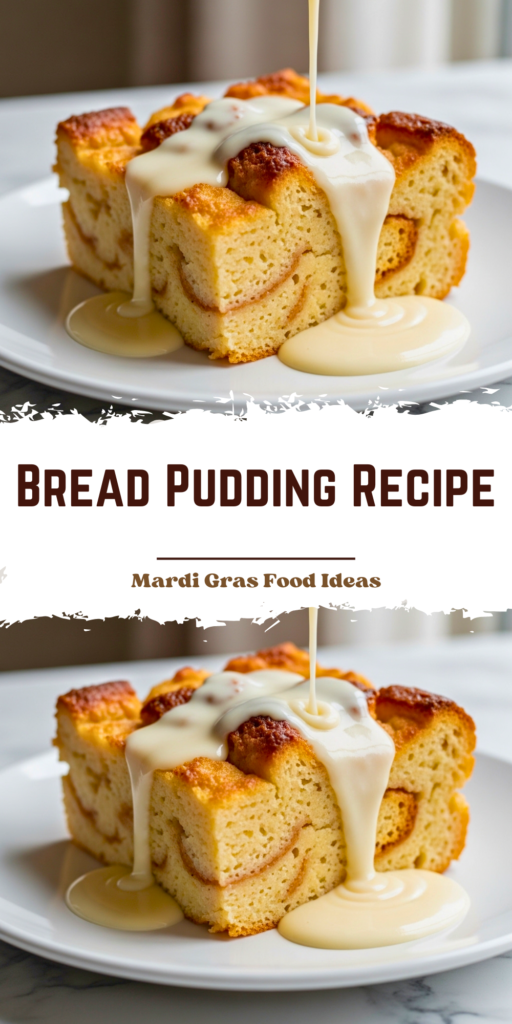
There is something deeply comforting about turning simple, forgotten ingredients into a showstopping dessert. For me, bread pudding is that perfect culinary alchemy. It transforms a loaf of stale bread, a few pantry staples, and a bit of time into a warm, custardy hug of a dish.
This isn't just a recipe, it's a piece of my childhood. I can still remember standing on a stool in my grandmother's kitchen, helping her tear apart day-old bread for a pudding. It felt like magic then, and honestly, it still does now. It's elegant enough for a dinner party yet humble enough for a Tuesday night, and it welcomes your own personal touch with open arms.
Whether you're looking to solve the mystery of that half-loaf on the counter or create a new core memory with your own family, this is the recipe. Let's make a bread pudding that's creamy, fluffy, and drenched in the best vanilla sauce you'll ever taste.
Ingredients Needed for the Recipe
Gathering your ingredients is the first step to something wonderful. The beauty here is in the simplicity. You likely have most of this on hand already, and each component plays a specific role in creating that perfect final texture and flavor.
Stale Bread (6 cups): This is the star, and dry bread is actually the secret. It soaks up the custard like a dream. I adore using brioche or challah for their rich texture, but any sturdy white bread, French loaf, or even a mix will work beautifully.
Whole Milk (2 cups + 1 cup for sauce): Milk forms the liquid base of our custard, providing the necessary moisture for that creamy, baked texture. We use more later for our luxurious sauce.
Granulated Sugar (½ cup) & Light Brown Sugar (½ cup for sauce): White sugar sweetens the pudding itself, while brown sugar in the sauce adds a warm, caramel-like depth that is simply irresistible.
Unsalted Butter (3 Tbsp + 2 Tbsp for sauce): Butter enriches everything. It gets melted into the custard for flavor and used again in the sauce for a silky, decadent finish.
Large Eggs (3): These are the binding agents that set the custard, giving the pudding its structure and that wonderful, quivering texture similar to the best French toast casserole.
Ground Cinnamon (1 tsp): A classic warm spice that perfumes the entire pudding. It’s a cozy, familiar note that makes the whole kitchen smell like home.
Pure Vanilla Extract (1 Tbsp + 1 Tbsp for sauce): Vanilla is the flavor backbone. Using a good quality extract in both the pudding and the sauce makes all the difference, offering a warm, aromatic sweetness.
Heavy Cream (1 cup for sauce): This is what takes the sauce from good to sublime. It adds a luxurious richness and body that milk alone can't achieve, creating a drizzle worthy of any dessert.
Cornstarch (2 Tbsp): Our sauce's thickening agent. It gives the vanilla sauce just the right consistency to cling to every nook and cranny of the baked pudding.
Salt (½ tsp + a pinch for sauce): Never underestimate salt in sweets. It balances the sugar and enhances every other flavor in the dish, making the vanilla pop and the custard taste more rounded.
The Heart of the Dish: Understanding Custard
Before we start cooking, it helps to know what we're building. At its core, bread pudding is a custard. That means the magic happens when eggs are gently cooked in a liquid, in this case, our milk mixture.
The goal is to let that custard soak into every piece of dry bread, which then bakes into a unified, tender whole. Patience during the soaking stage is your greatest tool here. It's the difference between a dry bread casserole and a sublime, spoonable dessert.
How to make Bread Pudding?
The process is straightforward, but a few key techniques ensure perfection. Read through the steps first, and remember, the waiting time is part of the recipe. It's when the bread and custard get to know each other.
Make this recipe yours—just save it to your Pinterest board!”
Step 1 – Prep and Warm the Custard Base
Start by preheating your oven to 350°F. Then, in a medium saucepan, combine the 2 cups of milk, ½ cup granulated sugar, 3 tablespoons of butter, cinnamon, and salt. Place this over medium heat.
Stir it occasionally just until the butter is fully melted. You don't want it boiling, just warmed through. Take it off the heat and let it cool for about 10 minutes. It should feel just warm to the touch, not hot.
Step 2 – Prepare the Baking Dish
While the milk mixture cools, take your 8-inch square baking dish and give it a light coating of butter. This prevents sticking and adds just a hint more flavor. Tear or cut your stale bread into roughly 2-inch cubes.
Pile those cubes into your prepared dish. Don't pack them down tightly, let them sit in a loose, inviting heap. They're ready for their bath.
Step 3 – Finish the Custard and Soak the Bread
Now, check your milk mixture. When it's pleasantly warm, whisk in the three eggs, one at a time. This gradual incorporation helps prevent the eggs from scrambling. Then, whisk in that tablespoon of vanilla extract.
Pour this beautiful custard evenly over the waiting bread cubes. Use a spoon or your hands to gently press down any top pieces that look dry, ensuring every bit gets soaked. Here is the secret step. Walk away. Let the dish sit for 20 to 30 minutes on the counter. You'll see the bread drink up the custard, and that's exactly what you want.
Step 4 – Bake to Golden Perfection
After the soak, place the dish in your preheated oven. Bake for 40 to 45 minutes. You're looking for a beautifully golden brown top that smells amazing. The center should be set but still have a slight jiggle.
A knife inserted in the center should come out clean. For the precise bakers, an instant-read thermometer should read between 160°F and 170°F. That's the sweet spot for a custardy center.
Step 5 – Create the Vanilla Sauce
While the pudding bakes, make the sauce. In a clean saucepan, combine the remaining 1 cup of milk, 1 cup of heavy cream, ½ cup of brown sugar, and 2 tablespoons of butter. Cook this over medium heat, stirring now and then.
Once the butter and sugar are melted and the mixture is steaming nicely, it's time to thicken. In a small cup, dissolve the cornstarch in a quarter cup of cold water. Slowly stir this slurry into the steaming milk mixture.
Keep stirring constantly for just a minute or two. You'll feel it thicken slightly to a lovely, pourable consistency. Remove it from the heat and stir in the second tablespoon of vanilla and a tiny pinch of salt if you like. This sauce is a dream.
Step 6 – Serve and Savor
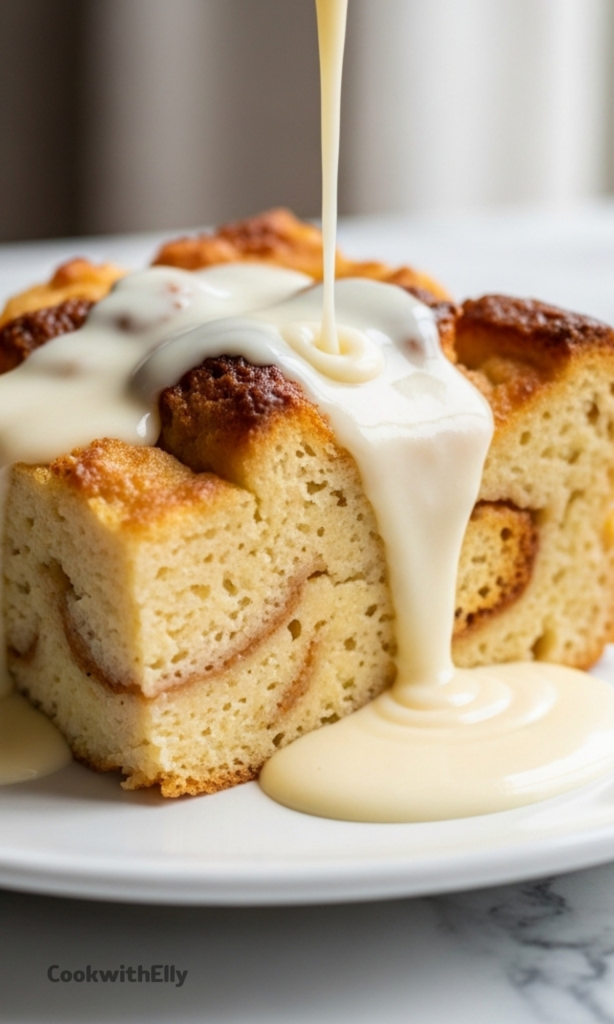
When the pudding emerges from the oven, glorious and fragrant, pour about half of the warm vanilla sauce right over the top. It will sizzle and seep into the crevices.
Serve the pudding warm, with the extra sauce on the side for people to add as they please. The contrast of the crisp top, soft interior, and rich sauce is everything.
Personalizing Your Pudding
This recipe is a classic for a reason, but it's also a fantastic canvas. Once you've mastered the base, feel free to make it your own with mix-ins. The key is to add them to the bread cubes before you pour the custard over.
A handful of toasted pecans or walnuts adds a wonderful crunch. Chocolate chips melt into gooey pockets of joy. Dried fruit like raisins, cranberries, or chopped apricots provide little bursts of sweetness. For a seasonal twist, fresh or frozen blueberries are fantastic, as one reader, Brandy, joyfully discovered.
You can even play with the sauce. A tablespoon of bourbon or rum whisked in with the vanilla at the end creates a sophisticated, adult version. It's your kitchen, and this pudding is designed to be loved your way.
Tips
These little pieces of advice come from many batches in my own kitchen. They'll help you avoid common pitfalls and guarantee a stellar result every single time.
Truly use stale, dry bread. If your bread is fresh, cube it and leave it out uncovered overnight, or toast the cubes on a baking sheet at 250°F for 10 minutes to dry them out. This step is non-negotiable for the right texture.
Do not skip the 20-30 minute soaking time. This patience allows the bread to fully absorb the custard, leading to a uniformly soft, fluffy interior instead of dry patches.
For a make-ahead lifesaver, you can assemble the entire pudding the night before. Cover it tightly and refrigerate it. Just bake it straight from the fridge, adding about 5 extra minutes to the baking time.
Scale it up with ease. To feed a crowd, simply double all the ingredients and bake in a 9x13-inch dish. You'll likely need to add 5 to 10 minutes to the bake time, so keep an eye on it.
Consider making a double batch to freeze one. Bake the second pudding in a disposable foil pan, let it cool completely, then wrap it tightly in plastic and foil. It freezes beautifully for up to two months for a future treat.
Serving and Storing Your Creation
Bread pudding is wonderfully versatile. I've served it for a decadent weekend brunch with strong coffee, and I've plated it elegantly for a dinner party dessert with an espresso martini. It's perfect for potlucks because it travels well and holds its temperature.
Leftovers, should you have any, store beautifully. Cover the baking dish tightly or transfer portions to an airtight container. They'll keep in the refrigerator for up to four days. The sauce should be stored separately.
Reheating is simple. Cover the pudding with foil and warm it in a 350°F oven for 20-30 minutes, until the center is hot. It revives remarkably well, almost like it was just baked. That's the mark of a truly great, forgiving recipe, one that gives comfort long after it first leaves the oven.
This comforting bread pudding is made with simple pantry staples and baked into a creamy, custardy dessert that’s perfect for using up stale bread. Served warm with a rich homemade vanilla sauce, it’s ideal for dessert or a decadent brunch. Customize it with mix-ins like toasted pecans, raisins, or chocolate chips for a personal touch!
ingredients
Bread Pudding
6cups stale bread (cut into 2-inch cubes (brioche or challah recommended))
2cups whole milk ((480ml))
0.5cup granulated sugar ((100g))
3tablespoons unsalted butter
1teaspoon ground cinnamon
0.5teaspoon salt
3large eggs
1tablespoon vanilla extract
Vanilla Sauce
1cup whole milk ((240ml))
1cup heavy cream ((240ml))
0.5cup packed light brown sugar ((110g))
2tablespoons unsalted butter
2tablespoons cornstarch
1tablespoon vanilla extract or paste
salt (to taste (optional))
Instructions
For the Bread Pudding
1
Preheat oven to 350°F (175°C). Lightly butter an 8-inch square baking dish.
2
In a medium saucepan, combine milk, granulated sugar, butter, cinnamon, and salt. Heat over medium heat until butter melts. Remove from heat and let cool 10 minutes (should be just warm to touch).
3
Place bread cubes in the prepared baking dish.
4
Whisk eggs into the cooled milk mixture one at a time, then add vanilla. Pour evenly over bread, pressing down any dry pieces. Let soak for 20–30 minutes.
5
Bake for 40–45 minutes, until golden brown and a knife inserted in center comes out clean (or internal temp reaches 160–170°F).
For the Vanilla Sauce
6
While pudding bakes, combine milk, heavy cream, brown sugar, and butter in a saucepan over medium heat. Stir until melted and steaming.
7
Dissolve cornstarch in ¼ cup water (or bourbon/rum for variation). Stir into hot mixture and cook 1–2 minutes until thickened.
8
Remove from heat. Stir in vanilla and optional salt. Serve warm over bread pudding.
Nutrition Facts
Servings 6
Serving Size 1 serving
Amount Per Serving
Calories380kcal
% Daily Value *
Total Fat20g31%
Saturated Fat11g56%
Cholesterol135mg45%
Sodium320mg14%
Potassium280mg8%
Total Carbohydrate42g15%
Dietary Fiber1g4%
Sugars26g
Protein9g18%
Calcium 180 mg
Iron 1 mg
* Percent Daily Values are based on a 2,000 calorie diet. Your daily value may be higher or lower depending on your calorie needs.
Note
Use stale bread: Dry bread absorbs custard better. If using fresh bread, dry cubes in a 250°F oven for 10 minutes.
Add mix-ins: Fold in ½ cup raisins, chocolate chips, toasted pecans, or dried fruit before baking.
Make ahead: Assemble pudding, cover, and refrigerate up to 24 hours before baking (add 5 extra minutes).
Freeze: Wrap baked and cooled pudding tightly; freeze up to 2 months. Thaw overnight in fridge before reheating.